
From Flower to Gummies: How Cannabis Products Are Evolving
· ShopZaza
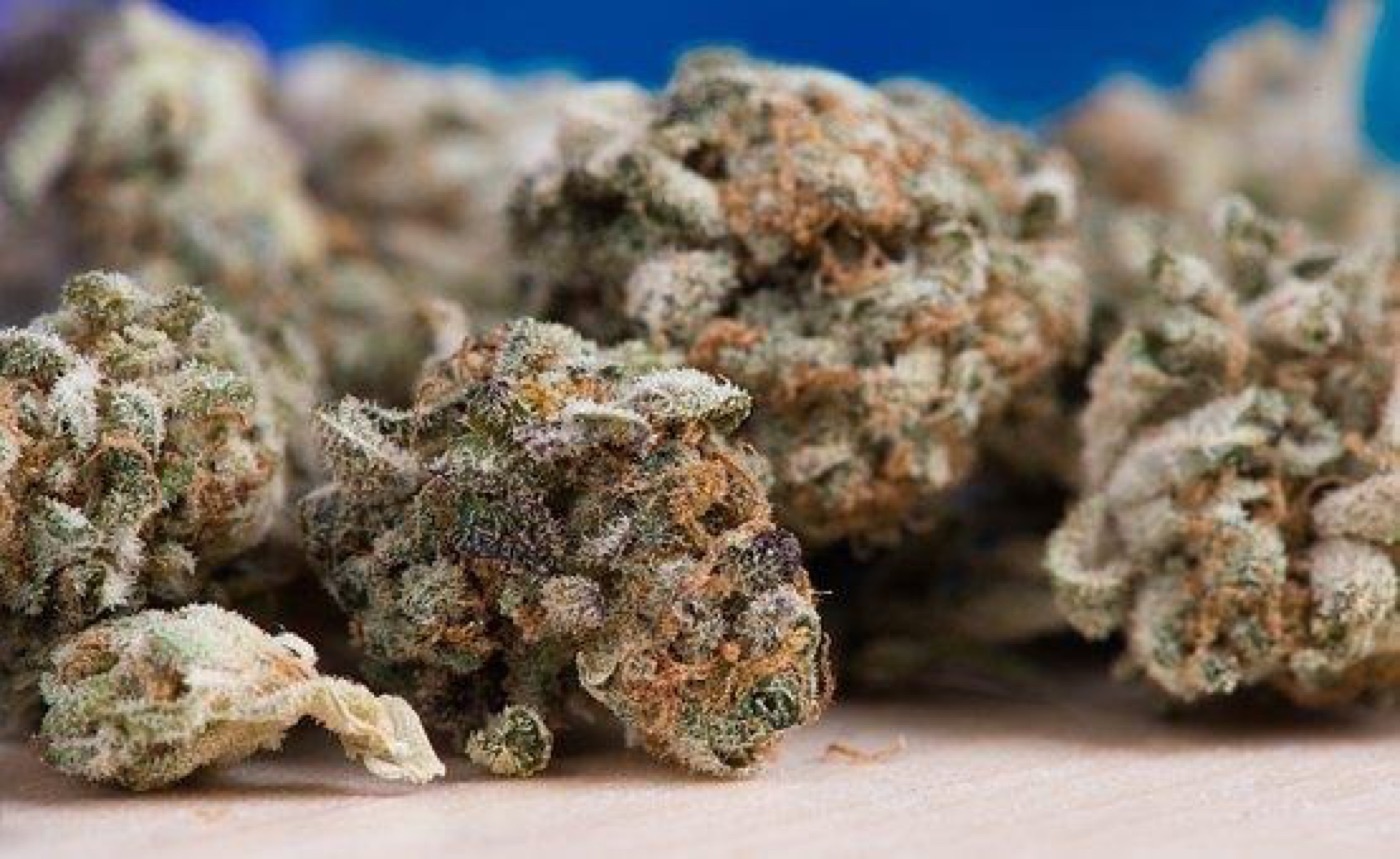
Photo Credit: Pixabay.com
Key Takeaways:
- Cannabis extracts come in diverse formulations, from traditional flower to edible gummies.
- The shift from marijuana flower to edibles reflects changing consumer preferences.
- Cannabis gummies are popular for their delicious flavors and discreet appearance.
- Gummies are smoke-free and deliver longer-lasting effects than inhalable formulations.
- Weed gummies also support precise dosing control.
- Gummies can be chemically tailored to contain specific cannabinoids.
- The products come in flexible potencies.
- Discreet appearance makes gummies remarkably portable.
The cannabis industry has evolved tremendously over the years, a trend driven primarily by increased adoption of medical marijuana and a steadily widening legal landscape.
Cannabis products are no longer mere footnotes in wellness discussions. They’re now part of many people’s lifestyles, with mounting scientific evidence supporting traditional therapeutic claims.
Although weed remains legally restricted in various jurisdictions, we’ve seen a general trend towards decriminalization in recent years. Expanding legalization has further democratized access to a plant that was historically treated with widespread skepticism.
With more people embracing cannabis, the industry has shifted dramatically from one-size-fits-all delivery methods to personalized options. This trend is largely evidenced by the emergence of numerous product formats.
While smoking marijuana flower remains a popular delivery mode, many enthusiasts now experiment with fancier product formats like edible gummies. This post tracks the evolution from cannabis flower to modern formulations, with a focus on gummies.
Table of Contents:
- Unpacking the History of Cannabis Use
- How Did Cannabis Transition from Folk Medicine Into Mainstream Application?
- When Did Fancier Delivery Methods Emerge?
- What Are The Different Types Of Cannabis Products Available Today?
- Why Are Cannabis Consumers Exploring Products Beyond Flower?
- How Have Cannabis Gummies And Vapes Changed The Cannabis Market?
- What Are The Newest Trends In Cannabis Products?
- How Are Cannabis Products Evolving?
- Conclusion
- Frequently Asked Questions
Unpacking the History of Cannabis Use
Humans have administered cannabis therapeutically for millennia, according to archaeological findings discovered a few years ago. The first documented case of marijuana usage dates as far back as 2800 BC in China, when the plant appeared in the Emperor Shen Nung’s earliest known pharmacopeia.
Besides China, texts from ancient Indian, Greek, Roman, and Assyrian manuscripts all point to the widespread use of cannabis products by early civilizations.
Most documents suggest people took marijuana as a remedy for;
- Pain
- Inflammation
- Neurological distress
Evidence further suggests some people administered cannabis for spiritual reasons. Mourners in certain Eastern cultures reportedly burned weed during high-altitude funeral rites and inhaled the smoke, believing it could enable them to connect with the departed.
How Did Cannabis Transition from Folk Medicine into Mainstream Application?
For millennia, cannabis use was domiciled in Eastern cultures. But that changed around the 1600s.
The first wave of cannabis popularization in the United States began in 1619, when the Virginia Assembly passed legislation mandating every landowner to cultivate hemp for the English Empire.
Hemp is a legal designation for cannabis cultivars that are naturally low in the mind-altering compound, Tetrahydrocannabinol (THC), but higher in the non-psychoactive Cannabidiol (CBD). Back in the 1600s, the plant was cultivated primarily as a raw material in the manufacture of clothing, sails, ropes, and canvas.
The hemp wave swept so strongly that the plant became a legal tender in states like Virginia, Pennsylvania, and Maryland.
Cannabis entered American households as a therapeutic plant in the mid-19th century.
In 1850, medical marijuana preparations officially appeared in the U.S. Pharmacopeia. Doctors notably prescribed the plant for pain, opioid withdrawal, and muscle spasticity.
In the late 1900s, marijuana became available over the counter. And, around 1910, the Mexican Revolution formally introduced recreational weed to the United States.
Modern research into marijuana’s therapeutic properties began shortly after, before gathering significant momentum in 1964. This was the same year Israeli scientist Dr. Raphael Mechoulam isolated and synthesized Delta-9 THC, Tetrahydrocannabinol’s most potent analog.
Cannabis popularity exploded during the counterculture movements of the 1960s and 1970s, eventually becoming one of the most sought-after medicinal plants today.
When Did Fancier Delivery Methods Emerge?
Throughout the ages, marijuana was widely administered by smoking its dried flower. Smoking offered genuine benefits, such as;
- Simple preparation
- Ease of use
- Rapid onset of effects
But as more people embraced marijuana, there was a need to tailor extracts to suit individual user preferences. This signaled the emergence of alternative delivery formats. The evolution of cannabis products began with early commercial bakeries in the 1990s and 2000s. Various brands introduced fancier edibles like brownies, granting medical marijuana users access to more palatable formulations.
However, cannabis baked goods faced two crippling challenges - shorter shelf lives and difficult dosing control. Confections like gummies were introduced to address these concerns.
Gummies utilize gelatin and sugar, both of which can extend their shelf lives remarkably. They’re also small and super discreet, allowing for easy portability.
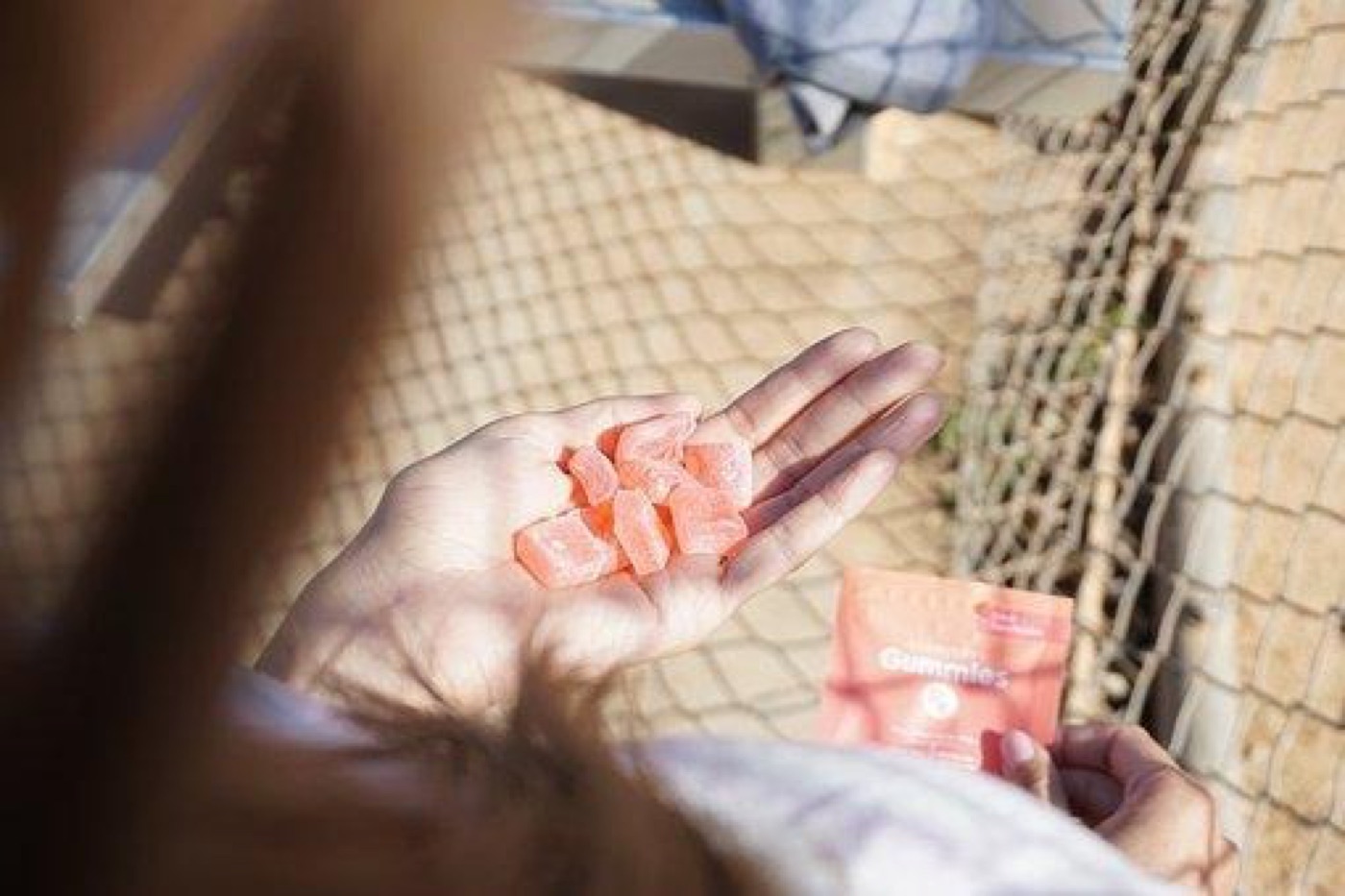
Photo Credit: Pixabay.com
What Are The Different Types Of Cannabis Products Available Today?
Although many people still smoke cannabis flower, numerous alternative delivery methods have emerged to address the need for tailored consumer experiences.
Here are the popular types of cannabis products available today;
1. Cannabis Flower
Cannabis flower is the smokable, trichome-rich buds of the marijuana plant. Most flowers come from female plants.
Weed flower is typically ground into different consistencies, depending on how it’s intended to be smoked. The powder may be administered via;
- Smoking in joints, pipes, or bongs
- Vaping in dry herb vaporizers
While traditional cannabis flower delivers standard effects, you can enhance the experience with infused pre-rolls.
2. Vaporizers
Vaporizers (also called vapes) are small, battery-powered gadgets designed to inhale vapor generated by atomizing plant extracts.
Most cannabis vapes utilize liquid weed concentrates. However, some can effectively vaporize distillates and even dry herbs.
3. Concentrates
As the name implies, cannabis concentrates are concentrated marijuana formulations.
Concentrates often contain 40% - 90%+ of the target cannabinoid (typically THC). In contrast, standard cannabis flower tests for around 10% - 30% of the cannabinoid.
You can administer concentrates by dabbing, vaping, or smoking. Besides, there are numerous product options to explore, including;
- Solvent-based concentrates: Shatter, budder, crumble, live resin, etc.
- Solventless concentrates: Kief, bubble hash, live rosin, etc.
4. Tincture
Tinctures are liquid-based cannabis extracts typically made using high-proof alcohols (like ethanol) or carrier oils (such as MCT oil), designed for administering sublingually.
They come with dropper bottles, which allow for precise dosing.
5. Edibles
Widely considered the fanciest cannabis delivery method, edibles are essentially everyday foods and beverages infused with marijuana extracts. These products offer a delicious way to unlock the plant’s therapeutic benefits.
Cannabis edibles come in diverse formats, including;
- Baked goods: Brownies, cakes, etc.
- Confections: Gummies, candies, etc.
- Beverages: Herbal teas, energy drinks, etc.
6. Topicals
Topicals emerged to address localized conditions like joint inflammation and eczema. Besides offering targeted relief, these cannabis products don’t trigger the systemic adverse effects associated with ingestible or inhalable formats.
Some examples of marijuana topicals include creams, balms, ointments, and patches.
Why Are Cannabis Consumers Exploring Products Beyond Flower?
- Quest for smoke-free delivery methods: Most cannabis flower alternatives don’t require combustion.
- Growing interest in healthier formulations: Weed vapes reduce the inhalation of smoke toxins like tar and heavy metals.
NOTE: Vaping isn’t 100% risk-free. Frequent use may cause health concerns, such as throat and lung irritation.
- Search for discreet extracts: Confections like gummies are exceptionally discreet.
- Targeted wellness relief: Cannabis products like topicals target specific medical issues without entering the bloodstream.
- Need for richer and more palatable flavors: Non-smokable formulations like vapes deliver cleaner flavors.
- Demand for higher potency: Concentrates favor users seeking stronger effects than standard flower provides
- Precise dosing control: Products like tinctures and capsules support more precise dosing
- Enhanced convenience and portability: Most non-smokable formats are small and highly portable

Photo Credit: Pixabay.com
How Have Cannabis Gummies And Vapes Changed The Cannabis Market?
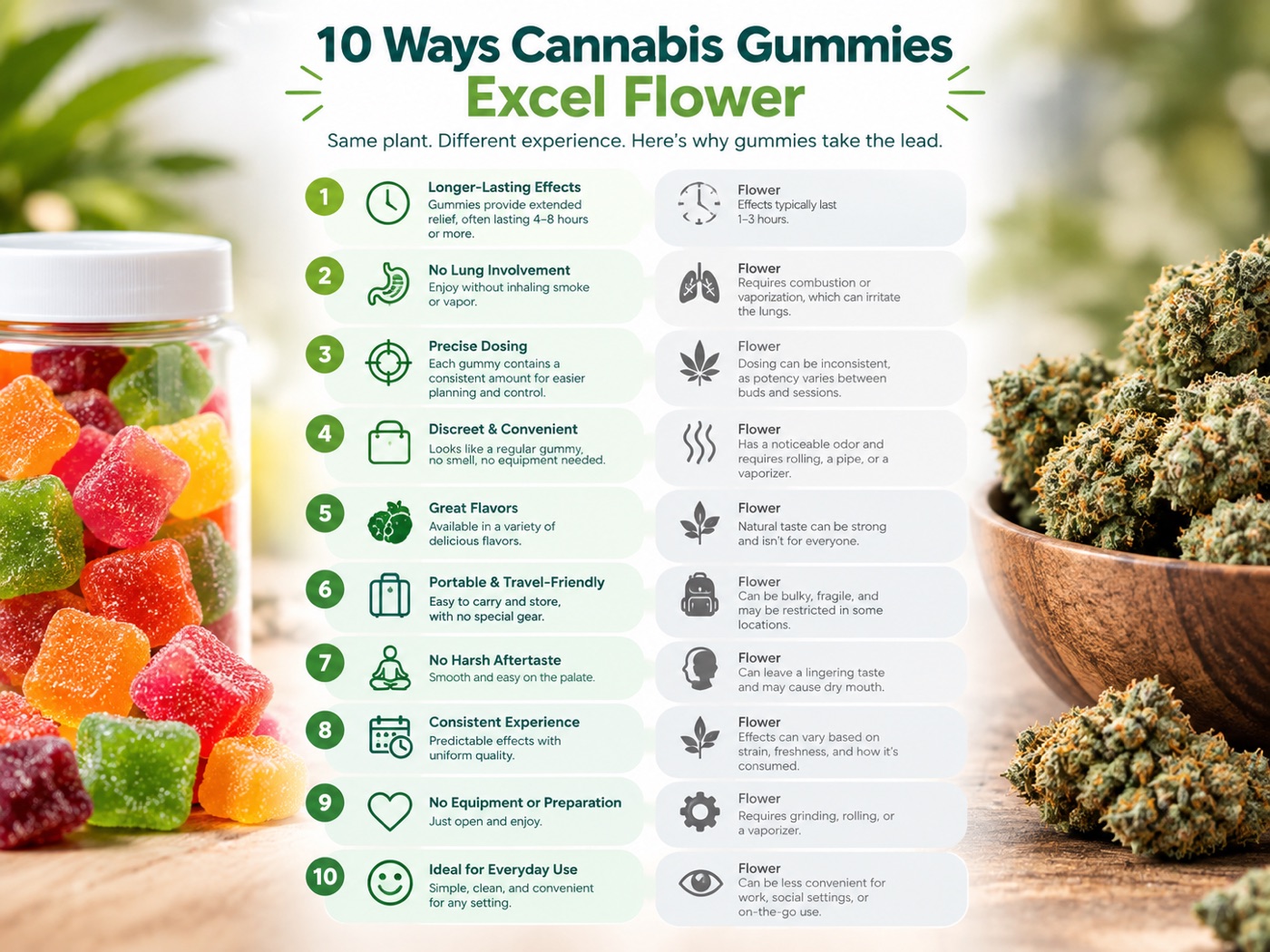
1. Eliminating Harsh Smoke
Cannabis gummies and vapes deliver more palatable flavors, removing the burnt hit associated with cigarette smoking.
The lack of combustion also minimizes exposure to smoke toxins like heavy metals and carbon monoxide (CO).
2. Supporting Precise Dosing
Another reason gummies excel among modern cannabis products is their ability to support custom dosing. Gummies contain exact milligram measurements of the dominant cannabinoid, allowing for precise dosing control.
3. Enhancing Discretion
Marijuana edibles resemble traditional gummies, making them convenient to carry and use in public spaces.
Weed vapes are remarkably discreet too. These devices produce fast-dissipating vapors, unlike cigarette smoke that can linger in the air or on clothing for hours.
4. Offering Prolonged Effects
Edibles offer long-lasting benefits, making them perfect for managing chronic conditions.
While cannabis gummies may have a delayed onset time (30 minutes - 3 hours), they can remain effective for 4 - 8+ hours.
For comparison, smokable flower usually clears from the body within 2 - 4 hours.
5. Providing Tailored Experiences
Cannabis gummies and vape concentrates can be formulated with specific compounds, including minor cannabinoids. This enables them to offer targeted experiences.
For instance, users seeking anxiety relief may opt for Cannabidiol-based gummies or vapes.
In contrast, it’s difficult to isolate specific cannabinoids from flowers. Users often have to consume the entire plant mass, including compounds that may not be therapeutically beneficial at the moment.
What Are The Newest Trends In Cannabis Products?
Edible gummies arguably dominate cannabis product trends, standing apart for their flavor diversity, ease of consumption, and remarkable discretion.
Although many users prefer vape concentrates for their fast-acting and heavy-hitting effects, edibles are generally easier to integrate into everyday wellness routines.
Below are other key products defining the cannabis industry;
- Beverages (such as mocktails and elixirs): Great for social hangouts
- Sublingual mints and lozenges: Ideal for fast-acting, on-the-go consumption
- Tinctures: Support higher dosage control
- Capsules and tablets: Resonate perfectly with medical cannabis users
- Topicals: Offer targeted relief
- Hemp-derived products: Enhance legal compliance
How Are Cannabis Products Evolving?
While cannabis products have come a long way, the future points to sustained evolution. Here are some key trends to watch out for;
1. Rise of Minor Cannabinoids
THC and CBD may no longer dominate the cannabis product market.
As research into the plant intensifies, we’re likely to see the spotlight shift to minor cannabinoids like Cannabigerol (CBG) and Cannabinol (CBN).
2. Search for Terpene-Driven Experiences
The emergence of cannabis gummies was largely driven by a growing demand for palatable formulations. As we move into the future, we’re likely to see more users gravitate towards terpene-rich products.
3. Infused Pre-rolls
Traditional cannabis flower delivers standard effects. However, the future points to a shift from regular to infused pre-rolls.
Infused pre-rolls appeal to smokers who crave enhanced effects without necessarily upgrading to non-smokable formats.
4. Increased Quest for Precise Microdosing
Cannabis products have no standard dosage. Rather, serving portions vary primarily by user tolerance and the intended effects.
To minimize unpleasant reactions, many users are curiously exploring microdose gummies (2 mg or less).

Photo Credit: Pixabay.com
Unlocking Cannabis’ Therapeutic Effects in Delightful Treats
Cannabis gummies came as a welcome relief for marijuana enthusiasts seeking a delightful way to enjoy the plant.
While any formulation can deliver marijuana’s potent bioactive compounds to your system, gummies add a delectable touch to every dosage. These cannabis products come in diverse flavors to suit different taste buds.
Gummies are remarkably discreet too. Besides, you can select from varied potencies, depending on your cannabis tolerance levels.
Sample our marijuana edibles collection and discover the most palatable treats ever. Each product has a unique chemical composition, depending on its origin strain.
We also offer gummies in potencies and flavors tailored to individual preferences. And, if you’d prefer other flower alternatives like vape concentrates, there’s plenty to explore in those categories too.
Frequently Asked Questions
What are the main types of cannabis products?
The most popular cannabis products are flower, edibles, and vapes. Others include topicals, sublingual tinctures, and concentrates.
How have cannabis products evolved?
For centuries, marijuana users administered the plant primarily by smoking its dried buds.
However, a growing interest in consumer-tailored product formats gave rise to fancier delivery methods like vape concentrates and edible gummies.
Why are consumers exploring products beyond flower?
Many cannabis consumers are exploring non-smokable formulations to evade exposure to the toxins in cigarette smoke.
Other key benefits of marijuana flower alternatives include greater discretion, prolonged body high, and targeted therapeutic relief.
How do cannabis gummies compare with flower?
Cannabis gummies come in diverse flavors, making them more palatable than smoking flower. Gummies are also super discreet, provide higher dosage control, and deliver long-lasting effects.
How do cannabis vapes compare with flower?
While vapes and flower have a similar onset time, vaping reduces exposure to the harmful chemicals in cigarette smoke.
Besides, cannabis vapes deliver a richer flavor experience because they heat the volatile terpenes right to their boiling points instead of destroying them.
What are cannabis concentrates?
Cannabis concentrates are marijuana extracts that contain more cannabinoids (usually 40% - 90%+) than standard flower (around 10% - 30%).