
Cannabis Strain Names Explained: Why They Differ
· ShopZaza
Key Takeaways:
- Cannabis strains are unique varieties of the plant, bred to exhibit specific traits.
- Marijuana strain names aren’t trademarked.
- 5 key conventions are used to name weed cultivars: Geographical origin, Lineage, Physical appearance, Effects, and Aroma.
- Many strain names also reflect a breeder’s marketing intent.
If you’re new to marijuana, you may think that a strain by any name would be just as potent. After all, the numerous cannabis varieties all derive from the same plant.
But the reality is quite different!
Each cannabis strain is genetically unique. While creating these cultivars, breeders often target specific therapeutic effects and sensory experiences.
Certain cannabis strains are notably potent, causing a rapid-building euphoric lift and profound relaxation. Others are highly prized for their refreshing aromas and delightful flavors. Yet, some weed cultivars offer the best of both worlds.
Therefore, the right strain may provide a tailored experience and potentially help accelerate your wellness goals. There’s just the little challenge of identifying these cultivars by name.
In this post, we examine the principles commonly used by breeders in assigning marijuana strains their distinct names.
Table of Contents:
- Cannabis Strain Names Explained
- What Is The Difference Between A Strain And A Cultivar?
- Why Can The Same Cannabis Strain Be Different From One Grower To Another?
- Unpacking Cannabis Strain Name Differences: How Did The Labels Come About?
- Are Cannabis Strain Names Reliable?
- How To Find The Right Cannabis Strain For You
- Conclusion
- Frequently Asked Questions
Cannabis Strain Names Explained
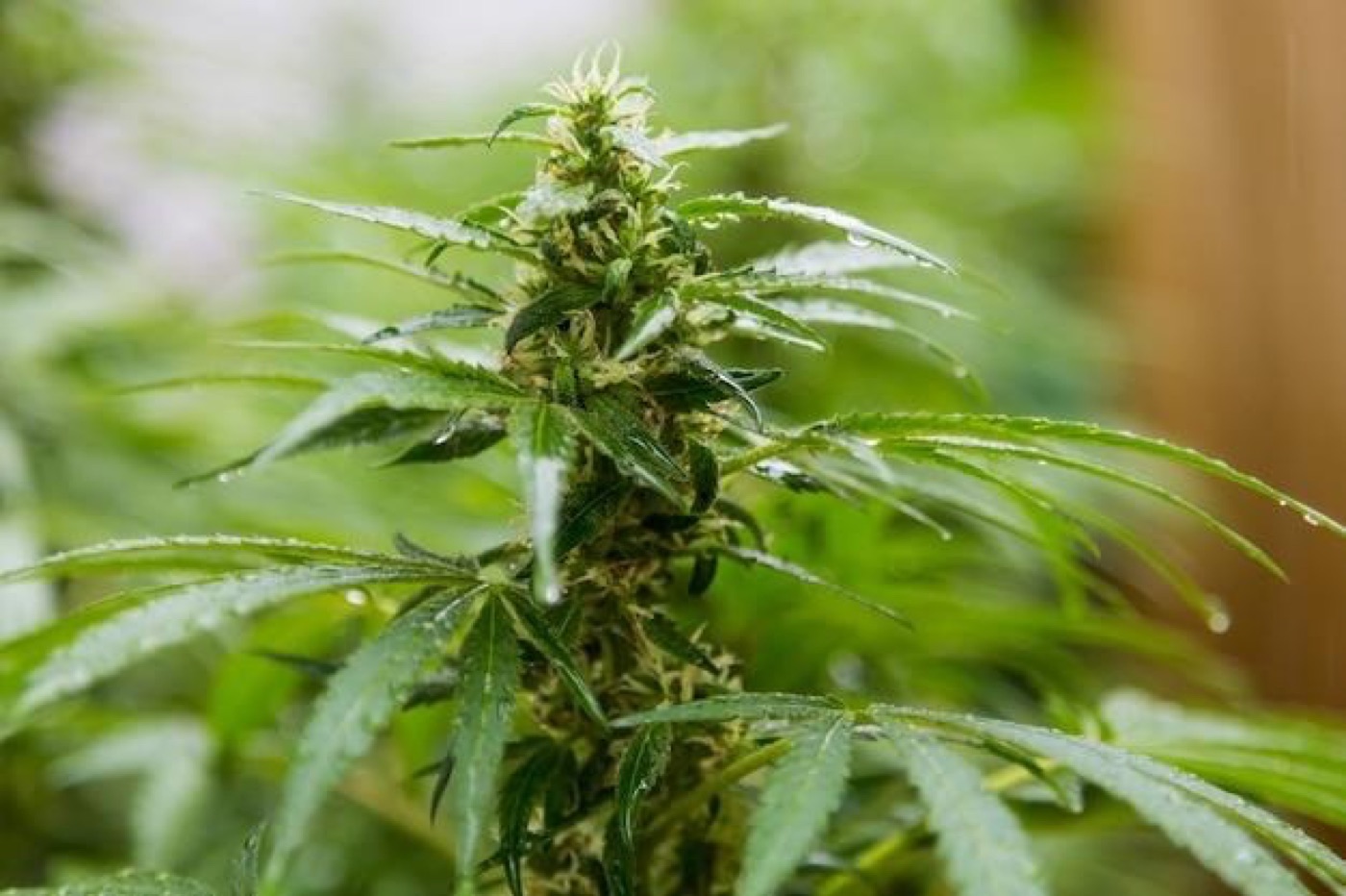
Cannabis strains are distinct varieties of the marijuana plant bred to deliver specific effects, aromas, and flavors. They’re also commonly known as cultivars, variants, or subspecies.
Before the emergence of cannabis strains, marijuana plants were broadly classified into three distinct categories: sativa, indica, and hybrids. However, these classification criteria provided little differentiation between the numerous weed subspecies because they focused on a plant’s morphological and biogeographical traits.
Over time, breeders and researchers began to categorize marijuana cultivars based on their reported therapeutic effects and aromatic experiences.
What Is The Difference Between A Strain And A Cultivar?
The terms “strain” and “cultivar” are often used interchangeably to define specific cannabis subspecies. But although these words broadly denote the same thing, they may vary slightly by context.
Strain is the term more commonly used in everyday cannabis conversations. You may encounter the term in store blogs, product descriptions, and online consumer discussions.
Meanwhile, ‘cultivar’ has a more technical connotation. The term translates to ‘cultivated variety’ and is more commonly used in botanical, legal, and research fields.
Another contextual distinction between “cannabis strains” and “cannabis cultivars” pertains to breeding intentionality.
Strains encompass all marijuana subspecies, from legendary landrace classics to recently created hybrids. In contrast, cultivars denote cannabis subspecies that have been intentionally bred to yield the desired chemical profiles.
Why Can The Same Cannabis Strain Be Different From One Grower To Another?
It’s not unusual to find two or more cannabis varieties sharing the same name but created by different breeders from entirely unrelated parentage. But why can two growers produce different versions of the same strain?
Well, that’s because strain names are casual labels whose choice largely depends on individual breeder preferences.
There’s no official global database of trademarked cannabis cultivar names. Since these labels are generally used as a marketing tool, two strains with the same exact name can have completely different genetic makeup and chemical profiles.
Unpacking Cannabis Strain Name Differences: How Did The Labels Come About?
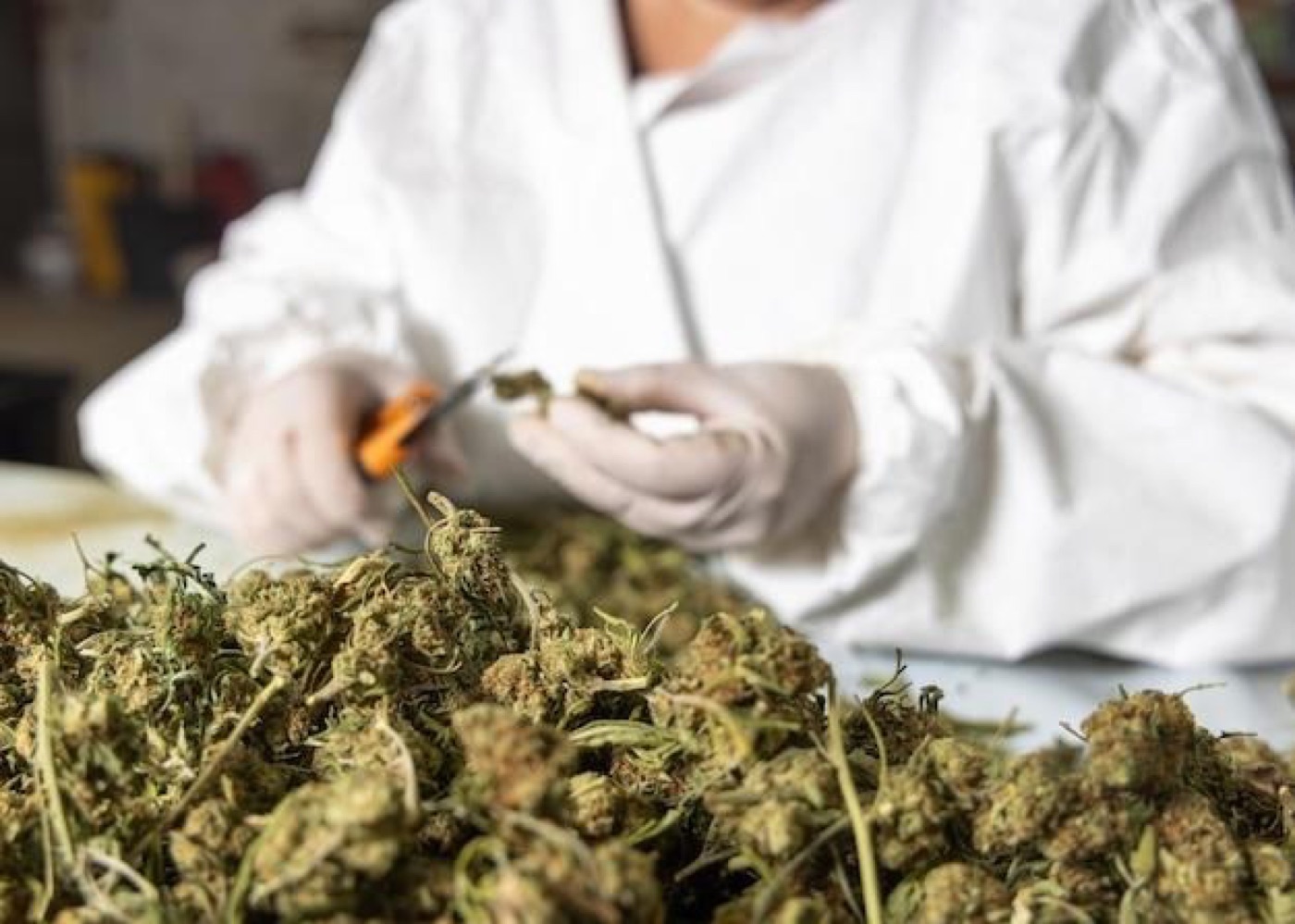
Although genetically unrelated weed strains may carry the same name, the labels are often carefully thought through. Here are the criteria that many breeders utilize in assigning new cultivars their distinct monikers.
1. Geographical Origin
Cannabis is one of the hardiest plants that potentially thrived in the wild for millennia before human domestication. In fact, the name “weed” is a reference to marijuana’s ability to grow with minimal human intervention.
Besides, cannabis is widely spread worldwide. Strains that derive from specific regions may take on names that pay tribute to their respective native ranges.
Noteworthy examples include;
- Durban Poison: Named after South Africa’s bustling port city, Durban Poison is a pure sativa landrace strain.
- Maui Wowie: Regarded as one of the oldest cannabis landraces (with a history stretching back to the 1960s), Maui Wowie is native to the tropical forests of the eponymous Hawaiian island.
- Afghan Kush: Afghan Kush is an original indica-leaning marijuana strain native to the Hindu Kush mountain range bordering Afghanistan and Pakistan.
- Acapulco Gold: Acapulco Gold is a sativa-dominant landrace from the surrounding hills of Acapulco, Mexico, which also garnered early recognition during the counterculture movements of the 1960s and 1970s.
2. Genetics and Parentage
Most commercially available marijuana strains are fairly recent hybrids developed by crossing specific preexisting parents.
To preserve cannabis genetics and lineage, some breeders may label new cultivars with names that borrow from one or both of their parents. Some popular options under this category include;
- Blue Cheese: A pungent-smelling hybrid obtained by crossing Blueberry and Cheese, two popular dessert-themed strains.
- Blue Dream: Blue Dream derives from Blueberry and Haze, with the ‘Dream’ reference a tribute to Haze’s sleepy cerebral effects.
- Banana OG: A cross between OG Kush and Banana, this indica-dominant strain exudes a bold, banana-like aroma.
3. Physical Appearance
Cannabis generally displays greenish foliage. The buds may appear in various shades of green, from neon and forest to dark green.
Many cannabis strains also display purple streaks, which typically emerge in late flowering and get more pronounced during the cool of the day. The purplish accents are due to increased anthocyanin production.
If a new cultivar displays unique physical traits, a breeder may assign it a name that matches those properties. Examples;
- Granddaddy Purple (GDP): A legendary indica-based hybrid whose buds display deep purplish shades.
- Acapulco Gold: While this strain attributes the first portion of its name to Mexico, the second part comes from its vibrant gold-tinted flowers.
- Winter Breath: Winter Breath buds display a dense coating of white resin-producing trichomes, which create a frosty, winter-themed aura.
4. Distinct Effects
Marijuana is one of the most therapeutically diverse herbs. While more clinical research is necessary, available evidence suggests that cannabis may alleviate common ailments like muscle aches and anxiety.
Weed is also psychoactive. Most strains are naturally high in the mind-altering cannabinoid, Tetrahydrocannabinol (THC), allowing them to potentially offer therapeutic relief and cerebral lift.
Here are some cultivars named for their distinct effects;
- Trainwreck: A potent sativa-dominant hybrid that causes an intense cerebral rush comparable to the impact of a high-speed train crashing into an immovable object.
- White Widow: The ‘White’ in White Widow references its frosty trichomes, while the ‘Widow’ part comes from its sweeping effects that some users compare to a bite from the black widow spider.
- Venom OG: Like White Widow, Venom OG delivers intense body relaxation, which feels like potent venom taking control over your body.
Perhaps you’ve always wondered - why does the same strain have different effects?
Two cannabis strains with the same name can have completely different effects, depending on their genetics and chemical composition.n
5. Aroma and Flavor Profiles
Every marijuana strain exudes a distinct scent and taste. As noted, the overall experience depends on cannabis genetics and terpene profile.
Popular cultivars named after their signature aromas and flavors include;
- Sour Diesel: Sour Diesel is a sativa-dominant strain noted for its gas-themed aroma and pungent taste.
- Berry White: An indica-heavy hybrid with a sweet, berry-forward aroma and fruity flavors.
- Super Lemon Haze: This sativa-dominant cultivar delivers a zesty scent reminiscent of freshly-peeled lemons.
6. Sheer Marketing
Certain cannabis strains don’t comply with any conventional naming standard. Rather, they’re used purely for marketing purposes. Some noteworthy mentions include;
- Girl Scout Cookies (GSC): Named after famous bakery treats, this strain has captured the attention of cannabis enthusiasts for its nostalgic flavors.
- Gorilla Glue #4 (GG4): GG4 was named after its dense layer of sticky trichomes and potentially sedating effects.
- Uncle Snoop: While totally unaffiliated with the eponymous rapper, Uncle Snoop reportedly causes laid-back vibes that feel like jamming to classic hip-hop lyrics.
NOTE: The inspiration behind cannabis strain names isn’t all there is to a cultivar. Each strain either derives from a particular geographical range or is associated with specific breeders.
Besides, most cannabis phenotypes come from defined lineages, display unique physical features, deliver signature effects, and have a distinct aroma/flavor.
Are Cannabis Strain Names Reliable?
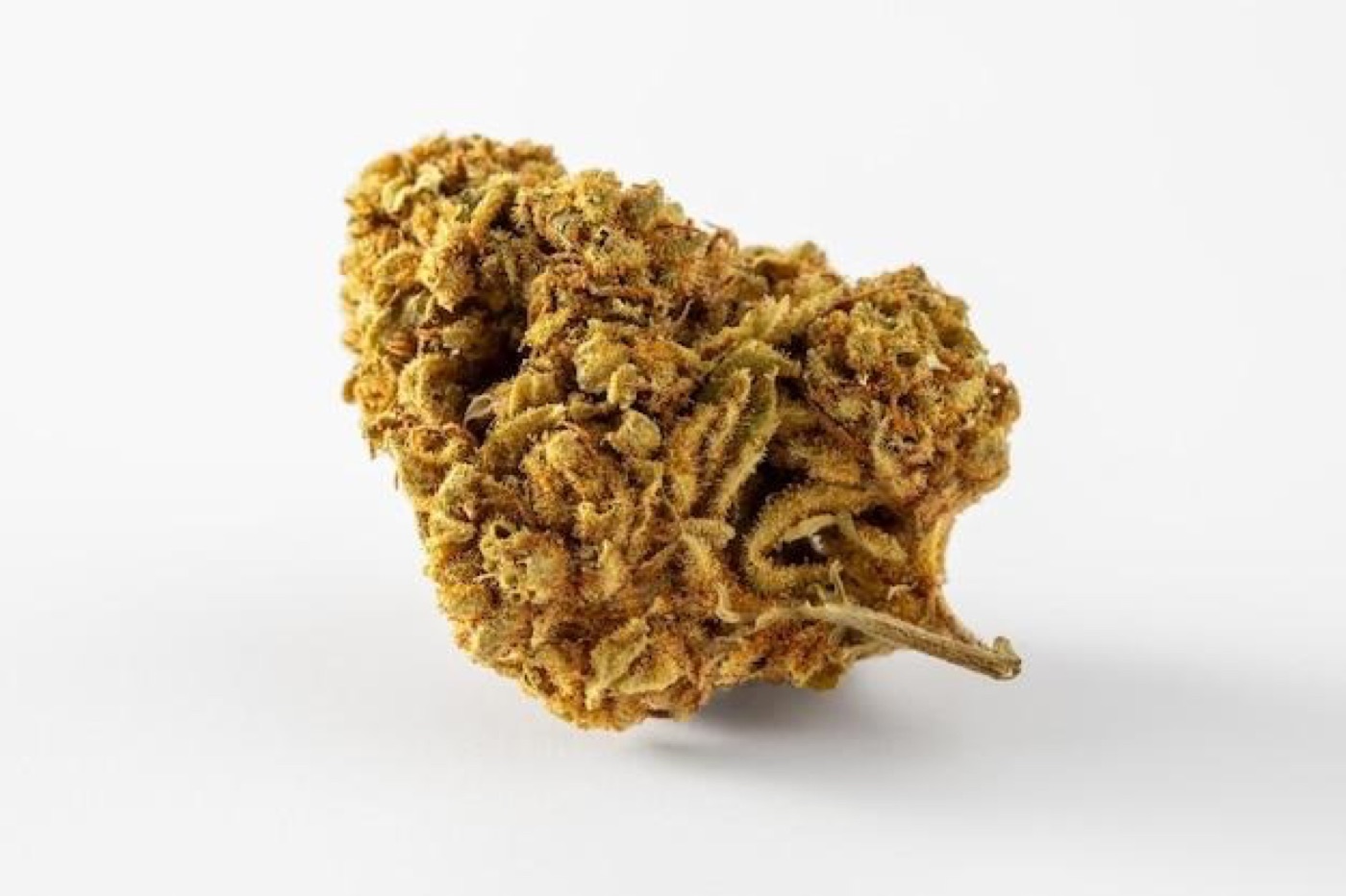
Yes, cannabis strain names can be a reliable way to predict a plant’s signature effects and sensory experience. Besides, certain strains pay tribute to their geographical origins, physical features, and parentage.
Even better, most weed strains are pretty revealing. Many cannabis enthusiasts can readily figure out the connotations behind labels like Afghan Kush, Sour Diesel, and Granddaddy Purple.
How to Find the Right Cannabis Strain for You
No two cannabis strains are similar. As noted, even strains that share the same name can have entirely different effects depending on their origin and chemical makeup.
You must proceed cautiously to find a strain that works for you. Some key considerations include;
1. Examine Lab-test Reports
Before cannabis is available for sale, it must undergo extensive screening in independent laboratories. These procedures often culminate in detailed Certificates of Analysis (COA).
A COA should capture the testing laboratory’s name and contact information. More importantly, the report should highlight a strain’s cannabinoid and terpene composition.
Carefully review a product’s COA report and assess its suitability for your needs before ordering.
Remember to also establish that the screening was conducted by an independent organization rather than one affiliated with the vendor.
You can click on the laboratory’s link or scan the included QR code and see if it leads to their homepage. Better yet, contact the lab directly and check if they have the included batch number in their database.
2. Buy From Transparent Outlets
A trustworthy cannabis store should be transparent about their sourcing standards. Although there are dozens of marijuana strains you can pick from, high-quality flowers generally derive from organic, indoor-grown plants.
However, don’t be swayed by fancy marketing labels like “all-natural” or “100% organic.” Research the listed cultivation practices to ensure they comply with the industry’s standards for what constitutes organic and eco-sustainable.
Transparency also relates to how a vendor hypes their products. Because marijuana isn’t 100% legal in the United States, buy from stores that publish relevant regulatory cautions.
3. Test Drive New Strains
It might be difficult to assess a strain’s efficacy without actually buying and trying it out. Fortunately, you can always test-drive newer products before committing fully to them.
Before stocking up on a strain, order it in small portions and monitor the effects. Assess whether the product delivers your desired wellness benefits without inducing severe unpleasant reactions.
You can then determine whether to go all out on the new strain or explore alternatives.
Demystifying Common Cannabis Strain Name Misconceptions
Cannabis strain names aren’t unique to breeders. Therefore, several cultivars may share one label despite having distinct genetic makeups.
As noted, many weed strain names are geographically inspired. Some cultivars are labeled based on their physical appearances, dominant effects, aroma/flavor profiles, and lineage.
When shopping for cannabis, emphasis should be on a strain’s unique genetics and chemical composition rather than its sheer name. Evaluate lab-test reports to understand the dominant cannabinoids and terpenes in the tested batch, as both impact the overall experience.
Sample our diverse product selection and discover a strain curated for your needs. Each cultivar derives from a rich pedigree, blending the best traits from its parents to deliver high-potency effects and a rich flavor experience.
Ready to find your match? Browse the full collection at ShopZaza and explore strains with clear lab-tested details.
Frequently Asked Questions
Why can the same strain look different between growers?
The same strain can look different between growers because of its genetics and parentage.
Are cannabis strain names standardized?
No, cannabis strain names aren’t standardized. Breeders generally don’t lay claim to marijuana labels, allowing subsequent growers to utilize the same names for marketing purposes.
What is the difference between a cannabis strain and cultivar?
The words ‘strain’ and ‘cultivar are fundamentally similar, referring to distinct variants of the cannabis plant. However, the terms may vary based on their specific implications and ideal use cases. Strains encompass all cannabis varieties, including naturally occurring phenotypes. The word is commonly used in everyday cannabis discussions involving sellers, consumers, and enthusiasts. Cultivars refer to marijuana plants bred intentionally to contain specific genetics and physical features. You’ll mostly find the term in botanical, research, and legal spheres.
Can the same strain have different THC levels?
Absolutely. Strain lineage impacts its chemical composition, which explains why cannabis cultivars with the same name can have different THC potencies.
Why can the same strain smell different?
Multiple strains with the same name can exude different aromas. Again, this has everything to do with a plant’s parentage and its unique genetic makeup.