
Why Cannabis Consumers Are Exploring Concentrates
· ShopZaza
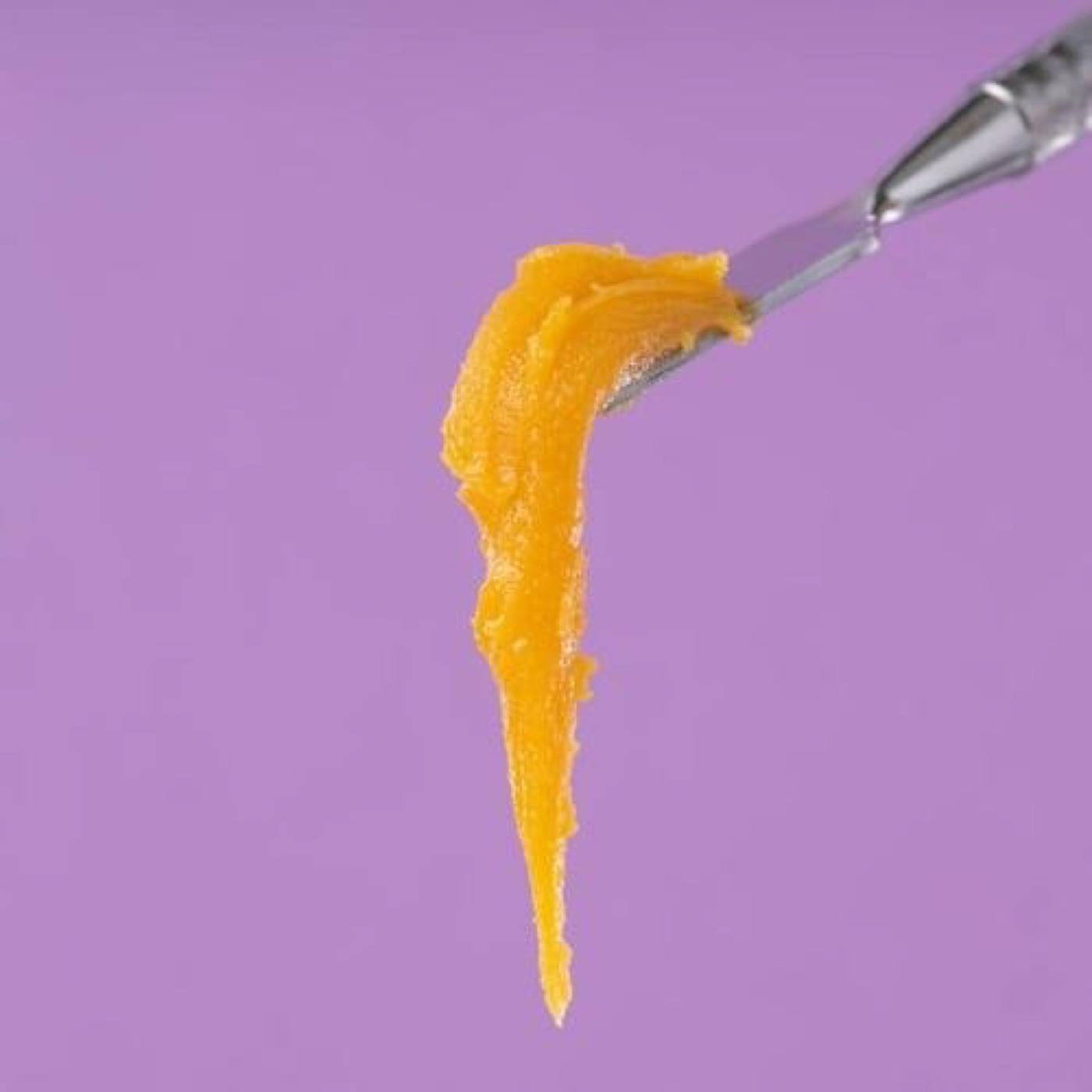
Photo Credit: Unsplash.com
Key Takeaways:
- Cannabis concentrates have superior cannabinoid potency compared to standard flower.
- They also deliver more pronounced flavors.
- There are multiple concentrate formats to explore.
- Users can also pick from several delivery methods.
- Concentrates can be solvent-based or solventless.
- These formulations generally kick in fast.
- They offer long-term financial value.
- Many concentrates are remarkably discreet.
- The products can last several months if properly stored.
- They’re also eco-friendly and sustainable.
Cannabis concentrates garnered mainstream global attention from around the early-2010s, evolving from an underground culture into the most preferred formulation for thousands of weed enthusiasts. Although traditional concentrates like hashish have been around for centuries, fancier formats like shatter emerged more recently.
Concentrates appeal to cannabis users seeking high-potent extracts. These formulations also provide a richer flavor experience than standard marijuana flower, making them popular with flavor-chasers alike.
If you’re new to cannabis concentrates and are wondering if they're worth all the hype, this post is for you. We’ll unpack everything there is to know about concentrate weed and why more consumers are exploring them.
Table of Contents:
- What Are Cannabis Concentrates?
- How Do Cannabis Concentrates Compare With Flower?
- What Are The Different Types Of Cannabis Concentrates?
- Why Are Cannabis Consumers Trying Concentrates?
- Conclusion
- Frequently Asked Questions
What Are Cannabis Concentrates?
One of the most exciting things about marijuana is that consumers can pick from diverse product formats. While humans have historically consumed weed by smoking raw flower, we’ve witnessed a proliferation of fancier delivery methods in recent decades, notably concentrates.
Cannabis concentrates are essentially concentrated marijuana extracts. These products often contain 40 - 99% of the target cannabinoid, usually Tetrahydrocannabinol (THC).
THC is marijuana’s principal psychoactive molecule. Various reports suggest the compound may also offer certain therapeutic benefits, making concentrates potentially ideal for both medical and recreational cannabis users.
Besides packing high cannabinoid potency per unit weight, most concentrates deliver intense flavors too.
How Do Cannabis Concentrates Compare With Flower?
To better understand concentrates’ chemical profiles, it’s best to compare them with standard marijuana flower.
Most recently-cut cannabis flowers contain 15% - 30% Tetrahydrocannabinolic Acid (THCA) by weight.
THCA is a cannabinoid that exists as the chemical precursor to THC. It’s naturally non-psychoactive and often requires heating to activate it into THC. The THCA - THC conversion is known as decarboxylation.
Because freshly harvested cannabis flowers haven’t undergone significant heating to alter their chemical profiles, they typically contain more THCA than THC. Subsequent curing and drying are necessary to activate most of the THCA into THC.
Once the activation happens, Tetrahydrocannabinol becomes the dominant cannabinoid. The resultant flowers may now contain 10% - 25% THC (considering that about 0.877 of THCA converts into THC when decarboxylated).
Now, cannabis concentrates often pack 40% - 99% of the dominant cannabinoid. That makes them potentially twice as potent as regular flowers.
As hinted, most concentrates also provide fuller flavors than flowers. The extracts are often prepared using advanced techniques that lock in marijuana’s aromatic terpenes, enhancing their overall scent and taste.

Photo Credit: Unsplash.com
What Are The Different Types Of Cannabis Concentrates?
Cannabis concentrates fall into two broad categories, each featuring different product formulations. They include;
1. Solvent-Based Concentrates
Solvent-based concentrates are generally extracted using hydrocarbons like butane and ethanol. Some processors also utilize the Supercritical Carbon Dioxide (CO2) Method, which reportedly yields purer and more potent byproducts.
Examples of solvent-based concentrates include;
- Shatter: Clear or amber concentrate with a brittle, glass-like consistency
- Crumble: Matte or pale-yellow extract with a dry or loose texture, which easily breaks apart
- Badder/Budder: Creamy or golden concentrate with a smooth, whipped consistency, which resembles traditional butter
- Wax: Opaque or yellowish-brown extract, usually with slight stickiness resembling earwax
- Live Resin: Bright yellow or dark gold concentrate with a sticky or syrupy texture, often prepared from fresh-frozen cannabis plant materials
- THCA Crystalline (Diamonds): White or semi-translucent THCA-based extract with a crystalline or diamond appearance, potentially containing up to 99% THCA but typically no terpenes
- Distillate: Clear or amber sap with a thick consistency, which also tends to be odorless unless sauce is added to it
- Sauce: Amber or golden liquid sauce primarily containing syrupy terpenes, often consumed as is or added to flavorless concentrates like diamonds and distillates
2. Solventless Concentrates
As the name implies, solventless concentrates are extracted without hydrocarbon or CO2 solvents. Instead, they utilize mechanical pressure in combination with heat, water, and ice.
This cannabis extraction method generally renders purer and more potent byproducts than the solvent-based technique.
Examples of solventless concentrates include:
- Kief: Fine-grained greenish or off-white powder made from the dust collected from accumulated trichome heads
- Traditional Hash: Tan or brick-red blocks with a firm but malleable texture, which can be dry or paste-like
- Bubble Hash/Ice Water Hash: Blonde or tan granules with different consistencies (including chalky, sandy, and sappy), which readily melt when exposed to ambient warmth
- Live rosin: Golden or translucent concentrate with varying consistencies (from sappy to waxy), prepared from fresh-frozen cannabis plant materials
What makes live resin and live rosin popular?
While most concentrates are fairly popular compared to standard flowers, live resin and live rosin especially stand out. Both formulations derive from fresh-frozen cannabis flower.
Fresh-freezing involves subjecting recently harvested marijuana flowers to ultra-low temperatures of -40°F (-40°C) followed by storage at 0°F (-18°C) or lower. This technique rapidly halts enzymatic activity, helping lock in the volatile aromatic terpenes.
After fresh-freezing, live resin is subsequently obtained by a solvent-based method, while live rosin utilizes a solventless technique. The lack of solvent residues makes rosin potentially purer.
In terms of the sensory experience, live resin generally offers bolder flavors while live rosin has a more true-to-the-flower profile.
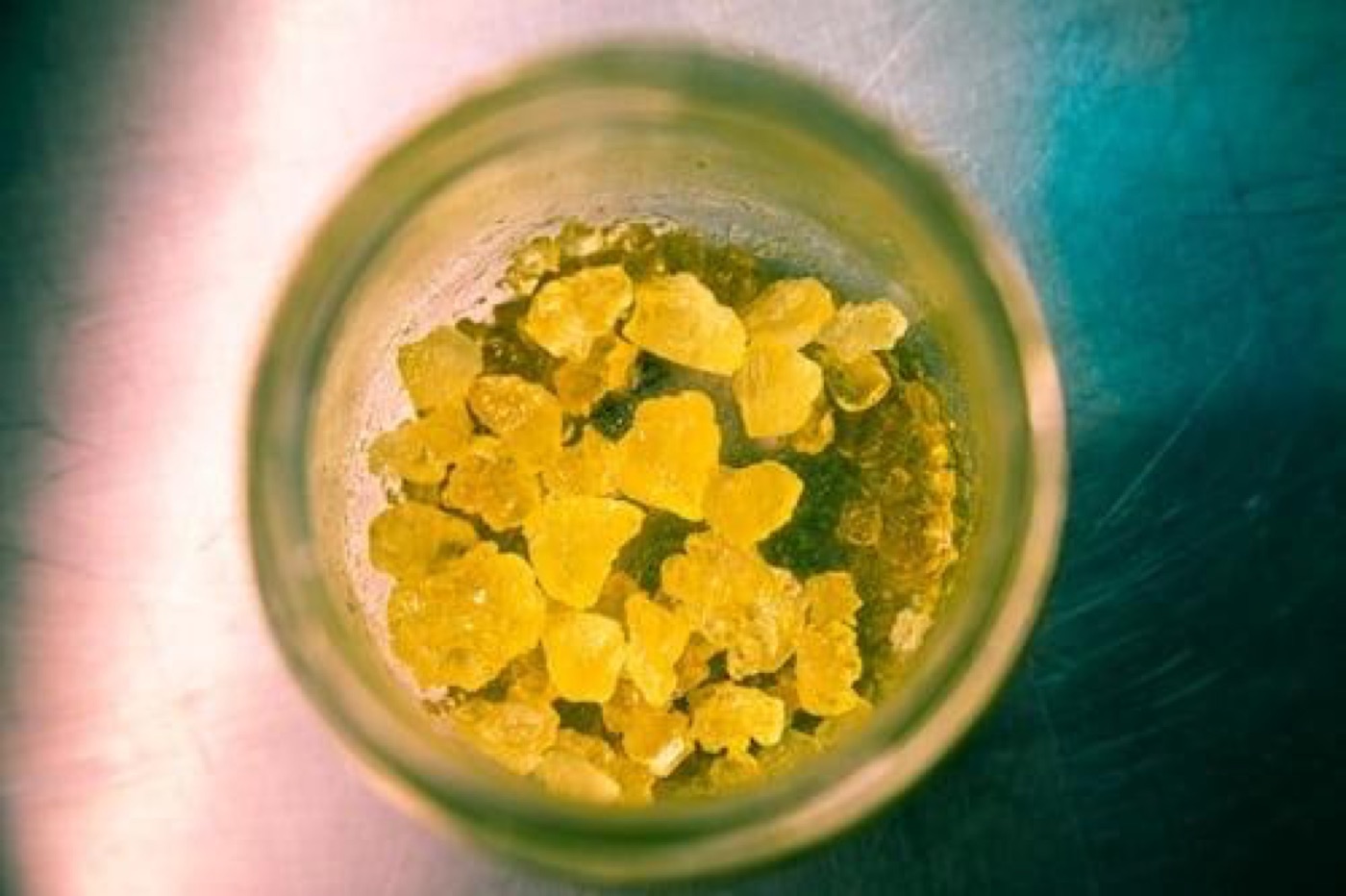
Photo Credit: Unsplash.com
Why Are Cannabis Consumers Trying Concentrates?
1. Superior Potency
This is the biggest reason concentrates are so popular with cannabis enthusiasts. While traditional cannabis flower generally tests for 10% - 25% THC, concentrate potency can reach 40% - 99%.
Remember that not all concentrates are THC-based. Some may be formulated from non-psychoactive cannabinoids, such as;
- THCA
- Cannabidiol (CBD)
- Cannabigerol (CBG)
- Cannabichromene (CBC)
- Cannabinol (CBN)
2. Rich Flavor Experience
Cannabis concentrates deliver more intense flavors than standard flower. To prepare formulations like live rosin, processors rely on advanced techniques (such as fresh-freezing) to lock in the volatile terpenes.
Here are the dominant terpenes in cannabis extracts, alongside their signature aromas/flavors;
- Myrcene: Earthy or herbal
- Limonene: Lemony or citrusy
- Caryophyllene: Spicy or peppery
- Pinene: Woody
- Linalool: Floral
The aroma from concentrates often leans heavily towards herbal, fruity, or piney...depending on an extract’s terpene profile. That’s in contrast to the harsh and pungent odor associated with smoking traditional cannabis cigarettes.
However, note that concentrates like THCA crystalline are generally tasteless. If you prefer your diamonds flavored, note that processors reintroduced a terpene-rich sauce into the product after preparation.
Pro Tip: Before ordering a concentrate, always review third-party Certificates of Analysis (COA) for a deeper understanding of its key ingredients. Pay particular attention to the dominant cannabinoids and terpenes.
We should also emphasize that a concentrate’s chemical composition impacts its legality. While cannabis products containing ≤ Delta-9 THC are federally legal within the 2018 Farm Bill framework, THCA-high concentrates are currently unavailable in the following states;
- Idaho
- Arkansas
- Hawaii
- Nevada
- Minnesota
- Rhode Island
- Kansas
- Oregon
- Vermont
3. Rapid Onset Time
Since concentrates pack more cannabinoids and terpenes per unit weight than traditional flower, a single inhalation can deliver twice as potent effects. That makes them remarkably efficient for consumers seeking immediate physiological relief from acute conditions like panic attacks.
Besides, you can accelerate a concentrate’s onset time by selecting fast-acting delivery methods like dabbing.
When inhaled, weed concentrates bypass the longer digestive process and enter the bloodstream almost instantaneously via the mucous membranes in the lungs.
4. Ease of Dosing
Concentrates come in diverse formats, and the ease of dosing largely depends on your selected formulation. That said, manufacturers often follow the industry’s best practices to ensure precise dosing.
Most store-bought concentrates come with third-party analytical reports, highlighting a product’s exact milligram breakdown of the principal cannabinoids.
Consumers can measure precise doses and avoid the guesswork associated with traditional flower.
5. High Discretion Level
Weed concentrates provide unmatched discretion compared to standard cannabis flower. Unlike traditional buds that produce noticeable odors when smoked, concentrates are generally dabbed or vaped.
Dabbing and vaping both emit minimal smells that dissipate quickly, allowing cannabis enthusiasts to potentially administer concentrates in public unnoticed. They also produce cleaner vapor than cigarette smoke.
However, note that dabbing and vaping aren’t 100% risk-free. It’s also prudent to observe all ethical standards while consuming weed outdoors, including;
- Sticking to the designated smoking/vaping zones
- Steering clear of crowded spots
- Requesting permission from people nearby before firing your device
- Disposing of used products responsibly
6. Extended Shelf-Life
Most cannabis concentrates contain little to no organic matter like chlorophyll and moisture, allowing them to degrade at a much slower pace.
The absence of moisture makes concentrates less prone to mold and mildew damage. Besides, these cannabis extracts can withstand common environmental agents known to accelerate weed’s degradation, notably oxygen.
If properly stored, concentrates can last up to 6 - 12 months. Here are some practical storage tips to implement;
- Select glass over plastic or metallic containers: Glass will unlikely to leach toxic chemicals into your concentrate
- Keep the storage bottles tightly sealed: Prevents oxidation
- Store in a cool, dry location: Slows down temperature- and moisture-induced degradation
- Keep out of direct sunlight: Minimizes ultraviolet (UV) damage
7. Long-term Cost Efficiency
Although cannabis concentrates typically fetch a higher upfront cost per gram than flower, they offer long-term cost-efficiency as a trade-off.
Concentrates pack more cannabinoids per unit weight. As such, they can offer the desired physiological effects at smaller physical volumes.
Upgrading to concentrates might provide significant cost savings, particularly for daily weed consumers. The fact that these formulations can last for months further minimizes wastage caused by early degradation.
NOTE: Price shouldn’t be the overriding factor while shopping for cannabis concentrates. Instead of hunting for products with lower upfront costs, you could save big by unlocking limited-time offers or ordering in bulk.
8. Eco-friendly and Sustainable
The world has been gravitating towards sustainable weed farming to reduce the environmental impact of cannabis cultivation. Unknown to many, concentrates are central to these conservation efforts.
Cannabis concentrates require less plant material to produce than standard flower. Processors can achieve a similar cannabinoid concentration without relying on massive volumes of buds, potentially reducing cultivation demands.
Eco-conscious consumers may find solventless extraction methods even more sustainable. Solventless techniques like those used in extracting weed concentrates eliminate the need for potentially toxic chemicals, further reducing environmental impact.
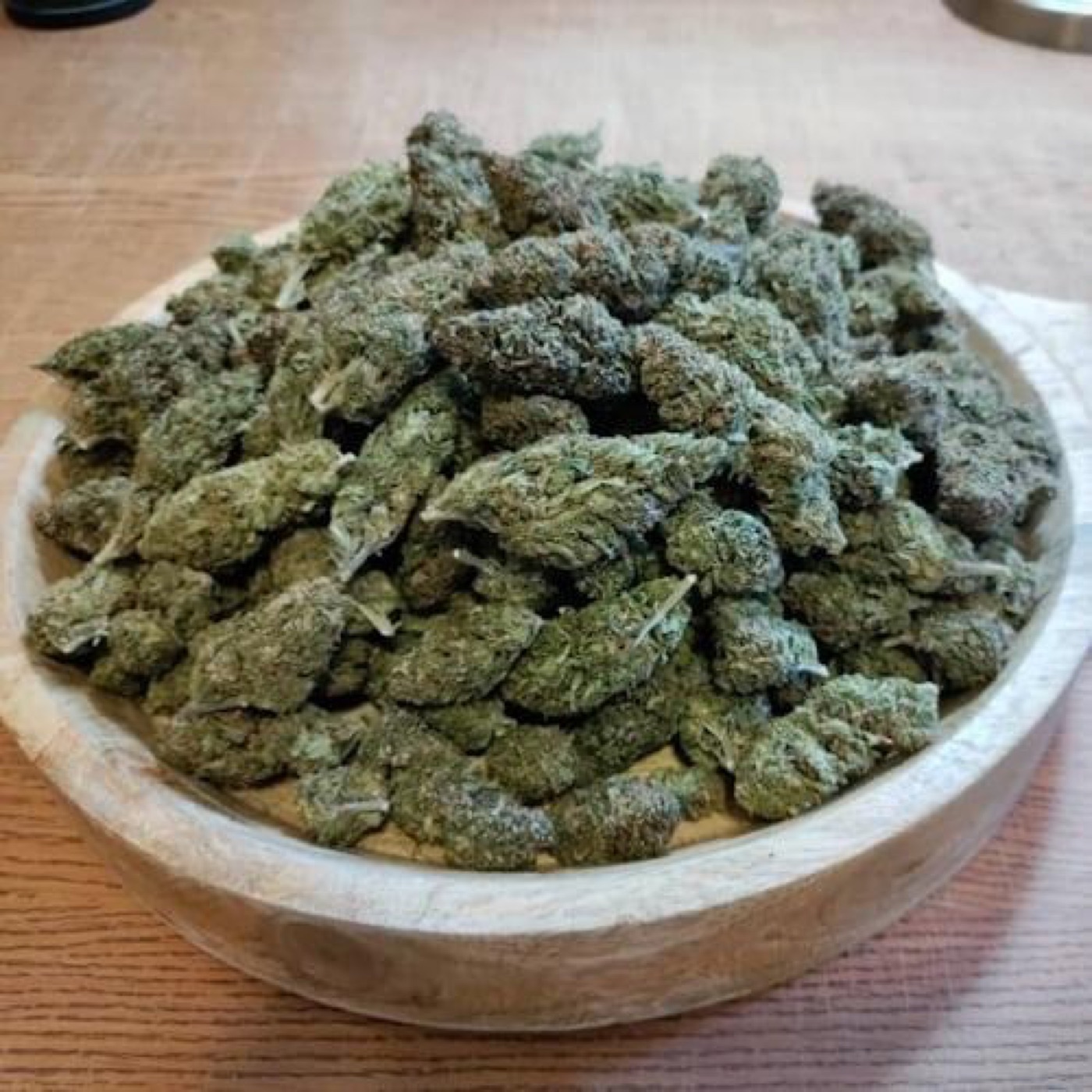
Photo Credit: Unsplash.com
Maximizing Cannabis Effects With Premium-Quality Concentrates
Cannabis concentrates appeal to consumers seeking super-potent effects. Because these formulations often contain twice as much THC as regular flower, they can kick in remarkably fast and offer immediate relief from certain acute problems.
Most weed concentrates also boast fuller flavors than standard flower. While preparing these products, processors often utilize advanced techniques to preserve the volatile aromatic terpenes.
There are multiple concentrates to select from as well. From powdery crumble to syrupy resin, the choice depends on individual preference.
Explore our vast selection of premium-quality cannabis concentrates and discover why these products are all the rage. All extracts derive from organic, indoor-grown strains to maximize their potency.
Be sure to read each concentrate’s lab-test reports for a better understanding of its chemical composition. And, since these formulations are super-potent, a little serving portion can go a long way.
Frequently Asked Questions
1. What are cannabis concentrates?
Cannabis concentrates are marijuana extracts defined by their high cannabinoid potency compared to standard flower.
Most concentrates test for 40% - 99% of the target compound, compared to around 10% - 30% for regular weed flower.
2. Why are concentrates becoming popular?
Marijuana concentrates are popular with consumers seeking high-potency effects and a richer flavor experience.
Besides, these formulations generally kick in fast and are super discreet.
Concentrates also come in diverse formats, are generally long-lasting, and can be surprisingly cost-effective in the long run.
3. What are the different types of cannabis concentrates?
Concentrates fall into two broad categories – Solvent-based and Solventless. Several formats are spread across the categories, including budder, live resin, kief, bubble hash, etc.
4. How do concentrates compare with cannabis flower?
Weed concentrates contain more cannabinoids per unit weight than standard flower.
Besides, most of these products deliver more intense flavors with each serving portion.
5. What is the difference between live resin and live rosin?
Both live resin and live rosin start from fresh-frozen cannabis plants.
However, live resin utilizes chemical solvents to strip it of cannabinoids and terpenes, while rosin relies on heat, water, ice, and mechanical pressure to extract beneficial compounds.
6. What should beginners know before trying concentrates?
Because concentrates are super potent, they present significant overdose risks. Beginners should administer these formats moderately to minimize undesired reactions.