
Why Cannabis Consumers Are Exploring New Strains
· ShopZaza
Key Takeaways:
- Cannabis strains number in the dozens.
- Modern weed cultivars generally offer more tailored experiences than older variants.
- Marijuana enthusiasts seek out newer strains because they provide controlled potencies, targeted physiological effects, and wholesome benefits.
- Emphasis on physiological potency, flavor intensity, and strain blending are some of the raging trends in cannabis strains.
When it comes to cannabis strains, there’s no shortage of options at your disposal. For many people, the choice often comes down to sativas versus indicas.
Sativa-dominant strains are generally energizing, making them excellent for morning exploration. Many enthusiasts take sativas to charge up before stepping out to work.
Conversely, indica-leaning strains are predominantly soothing. They’re commonly administered in the evening to wind down while ushering in a blissful night’s rest.
However, cannabis strains aren’t only classified by their genetics. They also differ in how long they’ve been around. From oldies like the Granddaddy Purple (GDP) to relatively newer variants like Lemon Cherry Gelato (LCG), every strain has a unique genetic composition and physiological properties.
Now, the recent past has witnessed a general shift towards newer cannabis strains. While the oldies have a historical reputation, emerging cultivars reportedly offer more targeted experiences.
If you’ve been wondering why cannabis consumers are trying new strains, it has much to do with the quest for tailored effects. Read on as we unpack why modern weed variants are all the rage.
Table of Contents:
- What Are Cannabis Strains?
- How Are Modern Strains Different from Older Varieties?
- Why Are Many Cannabis Enthusiasts Seeking Out New Strains?
- Desire for Wholesome Effects
- Quest for Unique Flavor Experiences
- Clear Distinction Between Medical and Recreational Marijuana
- Desire for Targeted Symptom Alleviation
- Ability to Offer Controlled Potency and Predictable Effects
- Easy Escape from Tolerance Fatigue
- Sheer Curiosity
- What Are The Latest Trends In Cannabis Strains?
- Conclusion
- Frequently Asked Questions
What Are Cannabis Strains?
Marijuana broadly falls into two principal species, namely Cannabis sativa and Cannabis indicas. Right beneath these classifications are subspecies known as strains or cultivars.
Weed strains are distinct cannabis plant varieties bred specially for their unique genetics, therapeutic potential, and aroma/flavor profiles.
There are dozens of cannabis strains to explore. From original, naturally occurring landraces to modern hybrids created through controlled breeding, the right choice depends on individual preference.
How Are Modern Strains Different from Older Varieties?
1. Natural Growth vs. Controlled Cultivation
The most outstanding difference between modern and classic cannabis strains relates to their natural occurrence.
Unlike original landraces that grow spontaneously in the wild, modern cultivars result from highly controlled breeding activities.
Shopzaza prioritizes cannabis strains grown indoors using HPS lighting and natural, pesticide-free methods. These techniques yield high-potency flowers that are low in impurities.
2. Meaningless Sativa vs. Indica Comparisons
Older cannabis strains were compared almost exclusively by their sativa/indica ratios. However, these classifications mostly focused on a plant's physical traits.
Short and stocky indicas were highly preferable to indoor or stealth growers, while sativas generally thrived outdoors due to their taller heights.
Emerging cannabis strains are no longer tied to the broader sativa/indica classifications. After decades of overlapping breeding, nearly all modern cultivars are hybrids.
The focus shifted from mere physical features to genetic composition.
3. Pure Breeds vs. Hybrids
Classic marijuana varieties generally gravitate towards true sativas or true indicas (at least 70% of either genetics). This property enables them to offer predominantly uplifting or mellowing effects.
In contrast, modern cannabis varieties feature more balanced genetics. With a 0% - 10% difference in sativa/indica proportions, new weed strains are able to deliver the best of both worlds.
Consumers enjoy broad-spectrum benefits, making modern weed strains popular with both medical and recreational users.
Having spelled out the fundamental differences between cannabis classics and emerging variants, you’re probably wondering - what makes consumers interested in new cannabis genetics? The following section shall put that question in perspective.
Why Are Many Cannabis Enthusiasts Seeking Out New Strains?
1. Desire for Wholesome Experiences
Older cannabis strains offered rather polarizing effects. Users often had to choose between invigorating sativas and soothing indicas, with minimal options in between.
One glaring problem with this selection criterion is that strains could only offer specific physiological effects. This implies that consumers seeking broad-spectrum experiences had no choice but to administer multiple products concurrently.
Fortunately, that’s all in the past now. Years of overlapping crosses have yielded strains with nuanced genetics. A single cultivar can now provide wholesome effects, allowing it to potentially alleviate several issues simultaneously.
2. Quest for Unique Flavor Profiles
Marijuana’s flavor comes from its dominant terpenes. While a single strain can contain dozens of terpenes, the most prominent ones include;
- Myrcene: Has an earthy or herbal taste, with soothing properties
- Caryophyllene: Exudes spicy or peppery notes, with anti-inflammatory potential
- Limonene: Tastes like citrus fruits and possesses mood-uplifting qualities
- Pinene: Gives off a sharp, piney taste, with uplifting properties
- Linalool: Smells and tastes like lavender, while offering deeply mellowing effects
- Humulene: Has earthy and woody properties, with anti-inflammatory and mood-stabilizing potential
- Terpinolene: Provides a blend of zesty citrus, sharp pine, and soothing floral notes, with euphoric qualities
Classic cannabis strains generally contained one or two dominant terpenes, with subtle notes of secondary terpenes. This meant that consumers had to contend with one isolated flavor profile.
While creating modern cannabis strains, breeders often emphasize the resultant plant’s terpene profile. A single cultivar may pack several dominant terpenes (plus multiple undertones) to offer a uniquely complex flavor experience.
3. Clear Distinction Between Medical and Recreational Marijuana
The inability to distinguish between medical and recreational weed is a leading cause behind sluggish cannabis legalization in various jurisdictions. For many regulators, all cannabis plants are physiologically identical.
Newer strains make a clear distinction between what constitutes recreational and medical cannabis, depending on a plant’s dominant cannabinoids. Strains that are higher in the mind-altering Tetrahydrocannabinol (THC) generally appeal to recreational users, while those loaded with the non-intoxicating Cannabidiol (CBD) are preferable to medical consumers.
After enacting the historic 2018 Farm Bill, breeders have notably ramped up the creation of hemp-based strains to comply with federal cannabis regulations.
Browse the Shopzaza.com website to discover products that suit your wellness needs. You can pick from classic oldies or modern hybrids, depending on the desired effects.
4. Desire for Targeted Symptom Alleviation
People administer marijuana for diverse reasons, notably;
- Pain alleviation
- Stress relief
- Sleep support
- Inflammation treatment
- Fatigue management
- Appetite stimulation
Any cannabis strain may offer most (or all) of these wellness benefits, albeit with varying efficacy.
But since people generally take cannabis for particular reasons, it’s important to find a product that targets your specific wellness requirements. And that’s another area where modern cultivars excel over older strains.
While developing a new weed strain, breeders may target plants high in specific cannabinoids with the goal of alleviating predefined ailments.
For instance, cannabidiol has been widely researched for its potential anxiolytic properties, while tetrahydrocannabinol has demonstrated promise for appetite stimulation. That means consumers seeking relief from anxiety disorders may readily select CBD-high strains. For those grappling with nausea and inappetence, THC-based cultivars would be preferable.
Pro Tip: While shopping for cannabis strains, always examine Certificates of Analysis (COA) for a better understanding of a flower’s chemical composition. You can access the lab test reports on a product description page or directly from the ‘Resources’ tab.
5. Ability to Offer Controlled Potency and Predictable Effects
Since older cannabis strains thrived primarily in nature, it was much more difficult to predict their chemical profiles. This posed a significant challenge for consumers seeking targeted therapeutic relief.
Modern cannabis strains are generally cultivated in climate-controlled indoor spaces, ensuring long-term genetic preservation. Due to minimal genetic interference, hybrids indicated for specific medical conditions can offer consistent and more predictable results.
Remember, marijuana’s effects largely depend on the dominant cannabinoids.
THC-high flowers can easily overpower your senses because of the chemical’s mind-altering properties. If you’re taking a strain therapeutically, seek out flowers that are higher in non-intoxicating cannabinoids like CBD.
6. Easy Escape from Tolerance Fatigue
Tolerance fatigue results from using the same cannabis strain consistently for months. It presents one or both of the following problems;
- Loss of a strain’s ability to offer its signature physiological effects
- Reduced ability to savor the plant’s aromas and flavors
- Persistent upscaling in serving volumes, potentially increasing overdose risks
The continued hybridization of cannabis has resulted in dozens of strains, each offering unique physiological experiences.
Modern consumers no longer have to choose from a restricted selection. With numerous varieties to explore on the Shopzaza e-commerce store, it’s easier to switch between strains and prevent or address tolerance fatigue.
NOTE: The flexibility of switching between multiple cannabis strains shouldn’t discount the significance of mindful dosing. If overconsumed, marijuana can trigger nasty adverse events regardless of its chemical profile.
7. Sheer Curiosity
Cannabis is one of the most popular, yet highly controversial, medicinal herbs. Despite mounting evidence indicating the plant may offer several wellness benefits, skepticism abounds.
Not all consumers exploring novelty cannabis strains are necessarily looking to bulk up their stockpiles. For some, it’s all about sheer curiosity.
When a discussion on the popular new strains pops up on social media, weed enthusiasts would be happy to join the conversation and gain deeper insights into the cultivars in question.
What Are The Latest Trends In Cannabis Strains?
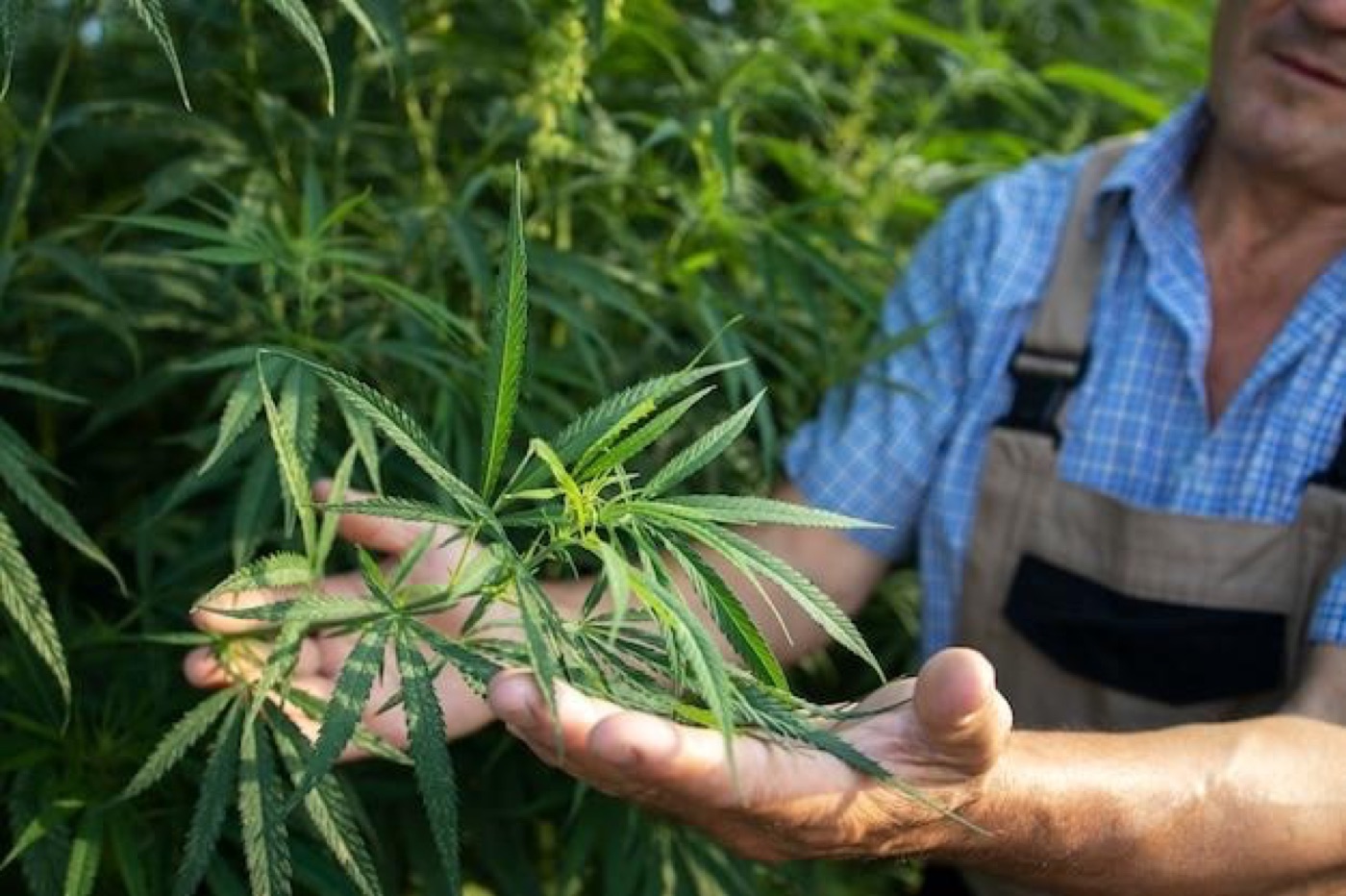
One of the most conspicuous trends in cannabis strains is the emergence of exotics. Exotic cannabis strains are rare, top-shelf plants with striking physical appearances and unique chemical profiles.
Key characteristics include;
- Rare genetic crosses, often stemming from lesser-known parents
- Massive, deep-green buds with vivid purple or bluish accents
- Brilliant orange or amber-colored pistils
- Heavy coating of resinous trichomes on each bud
- Superior potency, usually due to higher THC percentages
- Bold aromas and flavors, due to complex terpene profiles
- Limited availability, often translating into premium prices
Other noteworthy cannabis strain trends include;
i. Strain Blending
Many consumers are shunning individual strains for enhanced blends.
As blends bundle multiple cultivars in a single package, users can enjoy broad-spectrum effects at remarkable bargains.
ii. Shift Towards Indoor Cultivation
Growing marijuana indoors enables breeders to optimize nutrition. Besides, the highly regulated indoor climate supports uniform development across all plants and allows for more accurate predictability of effects.
iii. Celebrity-focused Marketing
Cannabis strain names were originally inspired by geographic locations, physical traits, potency, and aroma profiles.
However, celebrity-focused cultivars like Obama Runtz and Uncle Snoop have emerged over the recent past.
Note that people-inspired cannabis names aren’t always tied directly to the respective personalities. Rather, these are often generic labels used for marketing purposes.
iv. Strain-themed Apparel
Marijuana-themed apparel has been around for decades. But while such clothing originally targeted generic leaf graphics, the trend is shifting towards specific strain names.
Some apparel brands with cannabis strain-inspired streetwear include Utopian Threads and NFEO Zaza Reserve.

Level Up With New Cannabis Strains
Newer cannabis strains are steadily garnering momentum for their unique physiological effects and flavor profiles. While the oldies still offer classic experiences, consumers prefer recent variants for their ability to offer tailored effects.
Newer cannabis strains also offer great value for money, making them popular with budget shoppers. Many of these hybrids contain nuanced genetics that allow them to deliver broad-spectrum effects and minimize expenditure on multiple individual strains.
Besides, some enthusiasts are exploring new marijuana strains out of sheer curiosity.
Check out Shopzaza’s curated selection of new cannabis strains and discover high-potency, delightful products. Each flower derives from organic plants cultivated in climate-controlled indoor spaces, ensuring consistent effects each time.
The strains are all lab-tested and comply with legal Delta-9 THC requirements. Besides, you get to explore from uplifting sativas to soothing indicas.
Frequently Asked Questions
1. Why are cannabis consumers exploring new strains?
Cannabis consumers are exploring new strains for their superior genetic profiles and the ability to provide tailored experiences.
Besides, modern cultivars generally contain near-equal sativa/indica properties, enabling them to offer broad-spectrum effects.
2. What makes a cannabis strain new or different?
Newer cannabis strains are typically identifiable by their unique genetic makeups. While creating modern cultivars, breeders often target specific physical traits and physiological effects.
3. Why are exotic cannabis strains becoming more popular?
Exotic cannabis strains have superior genetics, including higher concentrations of essential cannabinoids and terpenes. Massive, showy buds also make exotics popular with growers.
4. How do cannabis genetics influence a strain?
Cannabis genetics impact a strain’s net physiological effects. Sativa-dominant cultivars are generally uplifting, while indica-based hybrids are predominantly soothing.
Note that each consumer is unique. Therefore, experiences can vary considerably by each user.
5. How can consumers compare different cannabis strains?
To compare different cannabis strains, consumers should read lab-test reports to understand the distinct chemical profiles of the target products. Emphasis should be on a plant’s genetics, as well as its cannabinoid and terpene profiles.
6. What should I look for when trying a new cannabis strain?
Before trying out a new cannabis strain, strive to understand its genetic makeup. Establish whether a plant leans towards uplifting sativas or relaxing indicas.
Besides, evaluate the primary bioactive ingredients to ascertain that a strain contains your desired cannabinoids and terpenes.