
Why Cannabis Flower Gets Dry: Causes & Storage Tips
· ShopZaza
Key Takeaways:
- Cannabis dries when its moisture content drops below optimal levels.
- Elevated temperatures and high ambient humidity are the leading reasons marijuana flower gets dry.
- Improper curing and substandard storage may also cause weed nugs to lose too much moisture.
- Overly dry cannabis flower can burn rapidly, producing harsh smoke and muted flavors.
- Besides dry texture, brown color, mold growth, and chemical smells indicate low-quality cannabis flower.
- Storing cannabis flower in temperature- and humidity-controlled rooms can help maintain its optimal moisture levels.
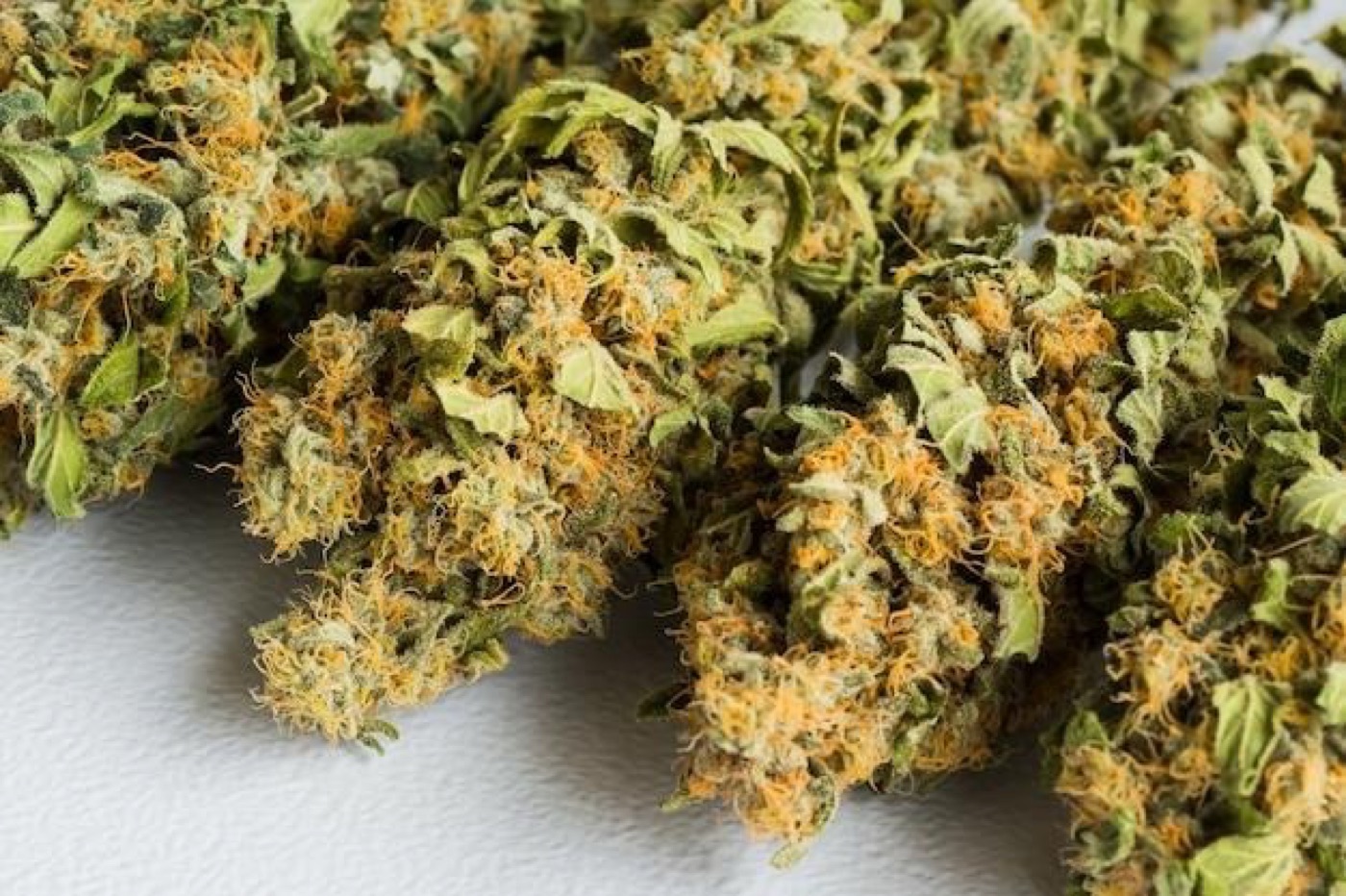
Cannabis texture can reveal much about its quality. While pulpiness often indicates excess moisture content, brittleness may suggest moisture-deprived buds. Both are signs of poor curing or improper storage methods.
Therefore, due diligence is critical in selecting marijuana flowers with the correct moisture content.
But cannabis doesn’t generally dry out on store shelves. In fact, reputable outlets utilize premium packaging to extend their products’ longevity.
Drying more often results from not following proper storage protocols at home. Fortunately, you can implement certain measures to preserve marijuana’s optimal moisture and avoid the unsavory taste associated with overly desiccated nugs.
Read below as we take a deep dive into the reasons cannabis often dries out. The post shall also highlight the signs of dry marijuana flower, other indicators of poor-quality nugs, and how to maintain optimal moisture in the storage room.
Table of Contents:
- Why Does Weed Get Dry?
- What Causes Cannabis Flower to Dry Out?
- How Can You Tell Dry Cannabis Flower?
- What Other Signs Indicate Substandard Flower Quality?
- How Do You Keep Weed From Getting Dry?
- Can Dry Weed Still Be Good?
- Conclusion
- Frequently Asked Questions
Why Does Weed Get Dry?
Marijuana becomes dry after ambient relative humidity drops below defined optimal levels. When this happens, the resin-heavy trichomes can significantly lose:
- Essential moisture weight
- Volatile terpenes, muting their aroma and flavor
- Potency, reducing their therapeutic efficacy
For many experienced users, spotting dry cannabis is often a matter of visual and tactile examination.
However, assessing weed’s texture can be quite challenging if you’re shopping online. A more reliable approach would be to analyze Certificates of Analysis (COAs) for the indicated moisture levels.
What Causes Cannabis Flower to Dry Out?
Unless cannabis flowers are plucked from dying plants, they’ll typically have optimal moisture levels. Much of the desiccation results from subsequent post-harvest curing and storage techniques.
Some common reasons why weed gets dry include;
1. Over-curing
After harvesting, cannabis flowers typically undergo controlled drying for about two weeks to eliminate excess moisture.
Processors may then follow up with three months of curing to lock the volatile terpenes in.
However, mismanaging these critical post-harvest protocols can strip cannabis flowers of their ideal moisture content and cause excessive dryness.
2. Elevated Temperature
Heat is a leading cause of dryness in stored cannabis flowers. Storing marijuana in warmer areas can accelerate evaporation, causing it to dry out.
Extreme temperatures can also degrade weed’s chemical profile and reduce its overall therapeutic efficacy.
3. Low Ambient Humidity
Like most botanical extracts, cannabis flower must remain under optimal relative humidity (RH) levels to maintain its freshness. Very low RH conditions can draw excess moisture out of your buds and render them too brittle.
Perhaps you’ve always wondered - does humidity affect cannabis flower?
Yes, abnormal relative humidity levels can accelerate marijuana degradation.
Extremely low RH may dry out weed nugs, while excess ambient moisture can breed dangerous mold and mildew.
4. Prolonged Air Exposure
Certain wellness products require constant aeration to preserve their freshness while in storage. However, cannabis flower behaves conversely.
Leaving storage containers open for long can expose your buds to continuous airflow, speeding up evaporation.
5. Improper Packaging
This is one of the most overlooked causes of dry weeds, perhaps because most users focus on implementing proper storage practices after purchasing marijuana.
Using substandard packaging materials may cause cannabis nugs to lose their essential moisture content, eventually degrading their potency.
Experts generally recommend glass jars over plastic sandwich bags and metallic tins for the following reasons.
- Better handling of temperature fluctuations than metal
- Reduced risks of leaching toxic chemicals into your stored cannabis flower, unlike plastics
- Low-maintenance
6. Improper Handling
While improper handling exposes cannabis flower to greater contamination risks, it may also cause the nugs to dry out.
How Can You Tell Dry Cannabis Flower?
There are three principal ways to identify excessively dried cannabis nugs, namely;
- Tactile examination
- Reviewing lab-test reports
- Assessing aroma/flavor experience and average potency
1. Tactile Signs of Dry Weed Flower
Gently squish cannabis buds in your hands. If the nugs crumble with relative ease, that indicates overdrying.
Properly dried cannabis flower should break apart in chunks rather than fine powder.
2. Spotting Dry Cannabis from Lab-Test Reports
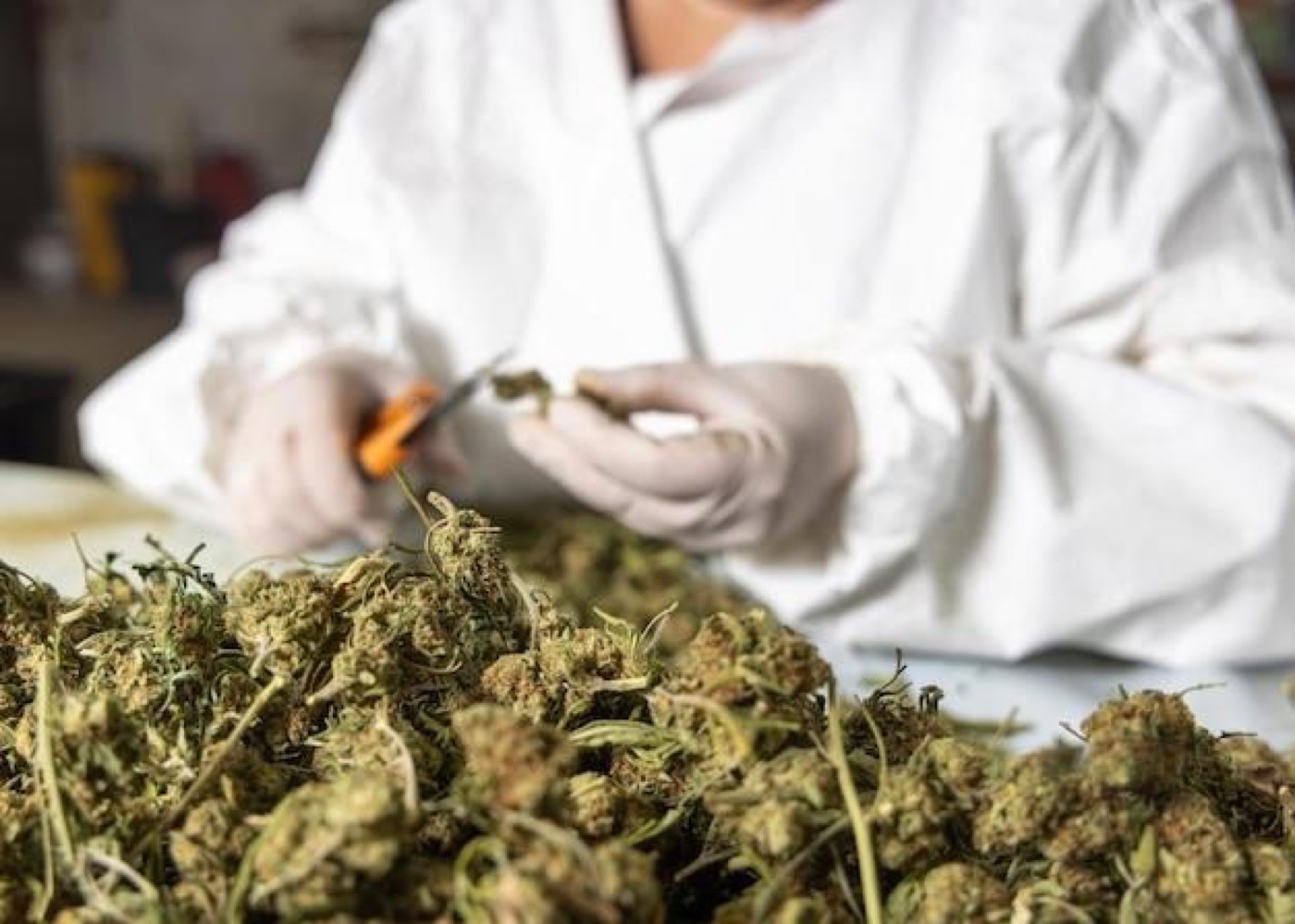
Reading lab-test reports is critical while shopping for cannabis products. Each flower should be backed by a Certificate of Analysis (COA), validating that it has undergone extensive screening in an independent laboratory.
COAs typically list the dominant cannabinoids in the tested batch, including;
- Tetrahydrocannabinol (THC): Cannabis’ primary mind-altering compound
- Cannabidiol (CBD): The primary staple ingredient in medical marijuana
- Cannabigerol (CBG): A rare cannabinoid with potential anti-inflammatory properties
- Cannabinol (CBN): A rare cannabinoid that results from THC degradation
- Tetrahydrocannabinolic Acid (THCA): THC’s non-psychoactive chemical precursor
Cannabis lab tests also screen for the presence of aromatic compounds called terpenes, including;
- earthy Myrcene
- piney Pinene
- lemony Limonene
- spicy Caryophyllene
- floral Linalool
Moreover, marijuana lab tests often screen for contaminants like pesticides and moisture content, which a COA should visibly highlight.
Many testing standards consider 10% - 12% as the optimal moisture level for cured marijuana buds. However, a 10% - 15% range is acceptable.
3. The Overall Experience of Smoking Dry Cannabis
Dry weed flower burns relatively fast, causing a hot and harsh smoke. If the smoke or vapor hitting your throat induces coughing, that’s your cue that the nugs are likely drier than they should be.
More importantly, pay attention to the aroma and flavor experience.
Cannabis flower should exude a scent and taste unique to its dominant terpenes. Because excessive drying can strip marijuana of its volatile terpenes, the resultant flower may have a muted aroma coupled with an unsavory aftertaste.
What Other Signs Indicate Substandard Flower Quality?
1. Brown or Yellow Discoloration
Low-quality cannabis flowers often appear in dull, muted colors rather than the vibrant greens and purples associated with healthier buds.
Especially look out for brownish or yellow streaks, as both indicate extreme degradation.
2. Mold and Mildew Growth
While excessively dried flowers can be annoyingly crumbly, pulpy buds may harbor mold and mildew growth.
Mold and mildew thrive in high-humidity environments.
Both organisms should be an outright turnoff, particularly if they pop up on cannabis flowers. Smoking infected buds can cause a harsh throat hit and potentially expose you to upper respiratory illnesses.
A musty smell is a dead giveaway that cannabis flower harbors mold and mildew, even without apparent visuals of either organism.
3. Evidence of Pest Damage
Fine spider webs, bite marks, or hollowed-out areas on cannabis flowers indicate heavy pest infestation in storage.
Note that many insects secrete toxins that may break down the cannabinoids and terpenes in weed buds.
Besides, inhaling pest debris can expose you to unforeseen health risks.
4. Chemical or Synthetic Aromas
While terpene degradation can mute a strain’s signature aroma and flavor, the presence of synthetic compounds might produce a chemical smell.
Watch out for ammonia-like or pesticide aromas.
5. Presence of Non-useful Plant Material
Cannabis buds house resinous trichomes, which produce most of the plant’s cannabinoids and terpenes.
Avoid buds that contain significant amounts of weed stems and seeds.
How Do You Keep Weed From Getting Dry?
Preventing cannabis from drying comes down to proper storage. So, how should cannabis flower be stored?
1. Begin With Premium Packaging
Plastic sandwich bags are highly porous. They can leak air into your stored cannabis nugs, speeding up evaporation.
Meanwhile, metallic tins are super heat-sensitive. Even a 1-degree temperature increase can cause rapid chemical degradation of weed flower.
Insist on glass storage jars.
2. Aim for Opaque Containers
Translucent or opaque glass containers help block ultraviolet (UV) light.
While UV rays may not immediately cause cannabis flower to dry out, they can destroy THC’s potency by degrading it into CBN.
3. Keep Air Out
Use airtight storage jars designed with the right rubber seals. This prevents air from leaking into the storage container, potentially drying out the nugs.
Another best practice for keeping weed fresh is selecting properly sized bottles.
Ideally, the jar should be nearly full when you purchase cannabis nugs. This minimizes empty headspace in the container that could trap oxygen and degrade the flowers’ quality.
4. Store in a Cool Room
Cannabis flower thrives optimally under 60 - 70°F. While heat can fast-track evaporation, extreme cold may cause the sensitive trichomes to freeze excessively.
Use a thermometer to actively track the storage room temperature during rapidly fluctuating conditions.
5. Stabilize Relative Humidity
Humidity levels around 55 - 62% appear to preserve cannabis flower for longer, slowing down premature degradation.
Letting the moisture levels fall below this ideal range can cause your nugs to dry out. Conversely, excess humidity encourages mold and mildew.
Use two-way humidity packs to help regulate moisture levels automatically.
Besides stabilizing marijuana’s optimal moisture content, you can implement additional measures to extend your stash’s shelf life. Here are more ways to store weed for maximum longevity.
- Buy recently tested batches: Generally 90 days fresh or less
- Purchase weed flower that you can use up in a few weeks: Minimizes undue wastage due to unforeseen degradation
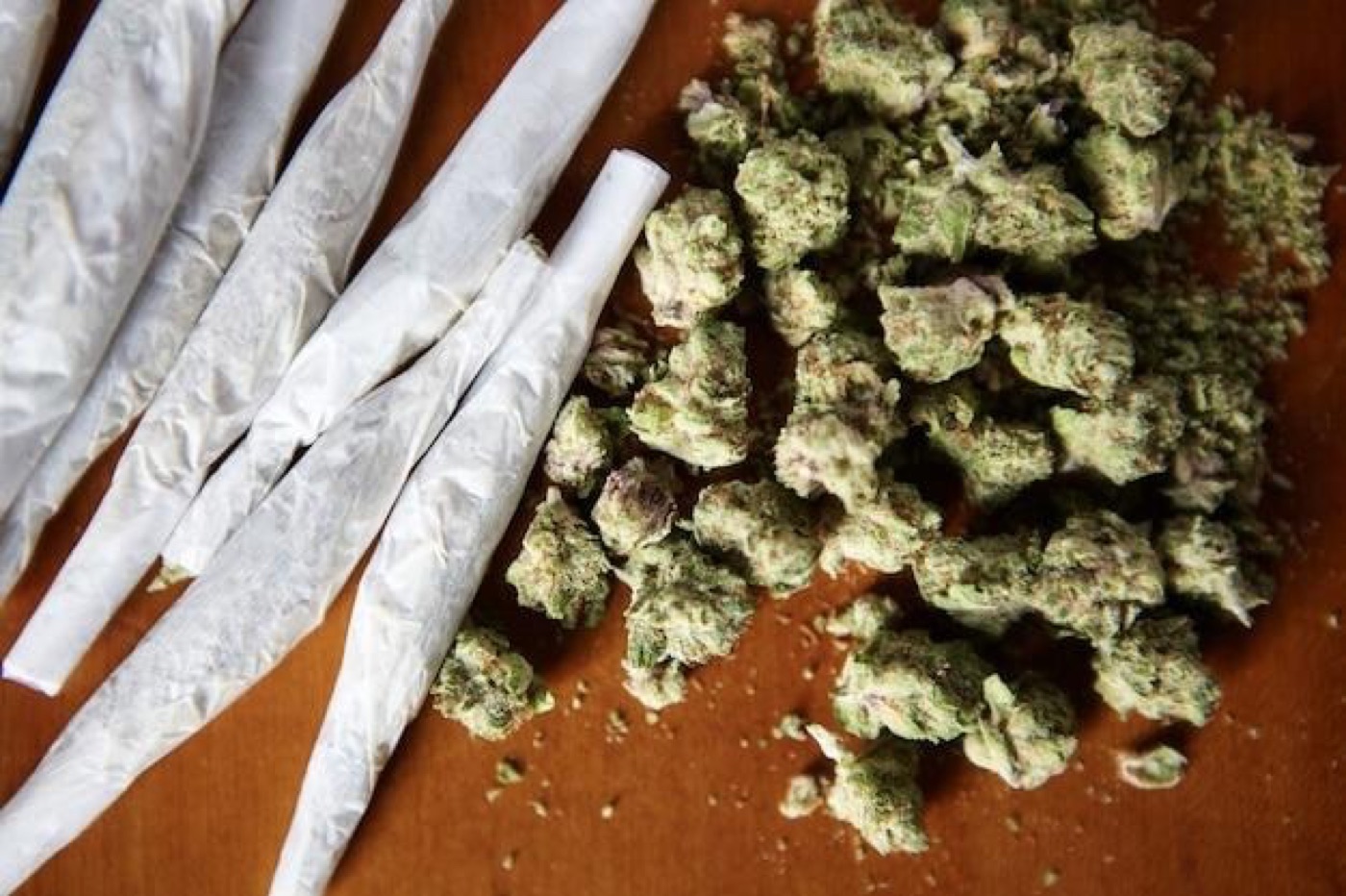
- Grind weed that can fill up a few joints or rolls: Whole buds have less surface area exposed to the elements, which reduces physical contamination and environmental degradation
- Regularly track expiration date
- Wash your hands before scooping out a nug from a storage bottle
- Use sterilized paraphernalia, such as spatulas: Helps reduce cross-contamination
- Avoid deep-freezing cannabis: It can make the trichomes brittle and crumbly
Can Dry Weed Still Be Good?
Now that we understand why weed gets dry and how you can maintain its optimal moisture levels, you’re probably wondering if dry marijuana is good to consume.
Well, first, do not purchase cannabis flowers that are visibly desiccated. It’s better to be safe than sorry.
If marijuana inadvertently got too dry in your possession, you can gauge its safety and efficacy based on other visual markers.
Shun weed that’s covered in mold or mildew. Fungal presence indicates there was significant moisture damage before the buds dried out, making them half as potent and flavorful.
Besides, remember that unchecked cannabis degradation may convert the high-potency THC into its potentially sedating cousin - CBN. CBN can cause excessive sleepiness, making it less fun for daytime use.

Extending Cannabis Longevity With Proper Storage
Cannabis flower often dries out when relative humidity dips beneath optimal levels. Some leading causes include overcuring, high temperature and low humidity in the storage location, and substandard packaging.
When cannabis dries out, the resin-producing trichomes lose their volatile compounds, impacting a flower’s potency and aroma.
Therefore, it’s imperative to understand the tell-tale signs of dry cannabis buds before hitting the stores. That often calls for careful tactile examination and lab-test analysis.
And, after hunkering down on fresh cannabis buds, store them in a climate-controlled location to further preserve their volatile compounds.
Order professionally cured cannabis flowers today and enjoy high-quality, long-lasting freshness. Each product comes in premium packaging to preserve its aroma and potency.
Frequently Asked Questions
Why does cannabis flower get dry?
Cannabis flower dries out when its essential plant moisture content drops below the optimal levels.
Is dry weed still usable?
Dry weed may be somewhat usable depending on how moisture-deprived a flower is. However, desiccated cannabis flower provides far reduced therapeutic efficacy and muted flavors. Not to mention a harsh throat hit that can ruin your smoking or vaping experience.
How can you keep cannabis from drying out?
Storing cannabis in a climate-controlled room is the surest way to keep it from drying out. Key aspects to regulate include ambient temperature, humidity, air, and sunlight. Also, insist on premium packaging.
What is the best way to store cannabis flower?
The best way to store cannabis flower is in a well-regulated area, aiming for a temperature range of 60 - 70°F and relative humidity between 55 and 62%. Selecting opaque glass jars with airtight seals can also extend marijuana’s longevity by minimizing exposure to UV rays and air, respectively.
Does heat make weed dry?
Yes. Heat can dry out marijuana nugs by stripping them of essential moisture content. In fact, high temperature is the leading cause of excessive cannabis dryness.
Does air exposure dry out cannabis?
Yes. Air can cause evaporation, accelerating weed dryness. That’s all the more reason to choose airtight, non-porous cannabis flower storage containers.